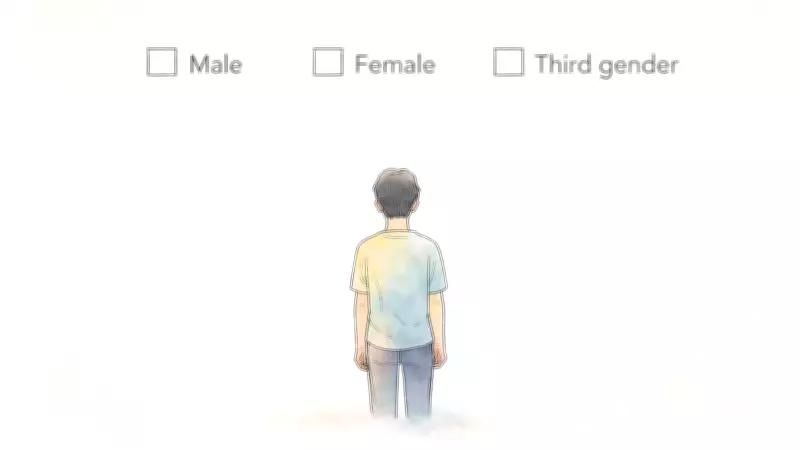
Beyond Male and Female: Has Indian Law Evolved with Gender Diversity?
In a society where gender has long been viewed through a binary lens of male and female, the legal framework in India is gradually confronting the complexities of gender diversity. This raises a critical question: has the law kept pace with the recognition of identities that exist beyond this traditional dichotomy?
The Traditional Binary and Its Limitations
Historically, Indian law and societal norms have operated on a strict male-female binary, often overlooking the existence of intersex individuals born with variations in sex characteristics, as well as non-binary and transgender identities. This rigid classification has led to significant challenges in areas such as birth registration, identification documents, and access to rights.
Recent Legal Developments and Milestones
In recent years, there have been notable strides toward inclusivity. The landmark Supreme Court judgment in the NALSA v. Union of India case in 2014 was a pivotal moment, recognizing transgender persons as a third gender and affirming their fundamental rights under the Constitution. This decision marked a shift away from the binary model, acknowledging gender as a spectrum.
Subsequently, the Transgender Persons (Protection of Rights) Act, 2019, was enacted to provide legal recognition and protection against discrimination. However, this legislation has faced criticism for its procedural hurdles and lack of clarity on self-identification, highlighting ongoing gaps in fully embracing gender diversity.
Challenges in Implementation and Awareness
Despite these legal advancements, practical implementation remains a hurdle. Many intersex and non-binary individuals still encounter obstacles in obtaining accurate identity documents, accessing healthcare, and securing employment without discrimination. There is also a need for greater awareness and sensitization within the legal system and society at large to move beyond binary thinking.
The Path Forward for Indian Law
To truly keep up with gender diversity, Indian law must evolve further. This could involve:
- Amending existing laws to explicitly include non-binary and intersex categories in official records.
- Enhancing legal protections against discrimination based on gender identity or expression.
- Promoting education and training for legal professionals and government officials on gender diversity issues.
As India continues to grapple with these issues, the legal system plays a crucial role in shaping a more inclusive society. While progress has been made, the journey toward full recognition and equality for all gender identities is ongoing, requiring continued advocacy and reform.