

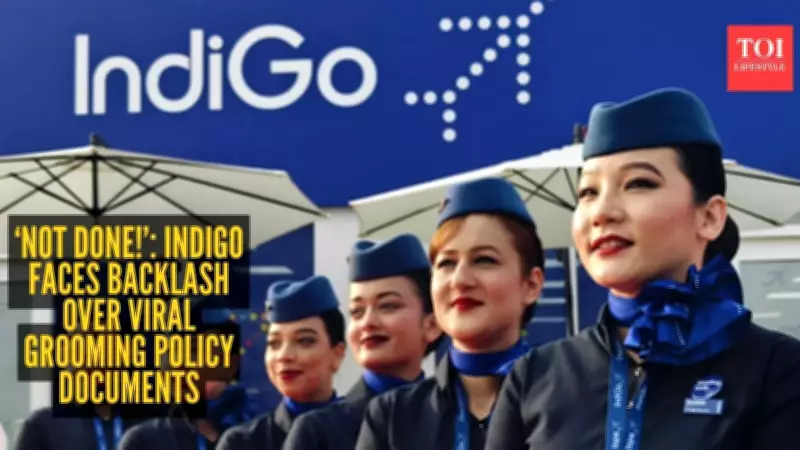
The debate over religious symbols versus company rules continues to intensify, with IndiGo becoming the latest major brand to face controversy. Following a similar incident involving Lenskart, the airline is now under scrutiny after internal grooming manuals surfaced on social media.
Details of the Controversy
The issue gained traction on X (formerly Twitter) when a user shared screenshots of documents titled 'Male Poise' and 'Female Poise,' which appear to be the airline's internal grooming guidelines. According to the posts, these manuals restrict visible religious items such as tilak, sindoor, mangalsutra, and kalawa. However, many users claimed that other religious identifiers might still be permitted, fueling further debate.
Social Media Reactions
Reactions on social media were swift and intense. Some users called for a boycott of the airline, while others warned of potential consequences. A viral post compared the situation to the downfall of Jet Airways, suggesting that brands should not take public sentiment lightly, especially in the competitive aviation industry. Many expressed anger and demanded the immediate rollback of the rules, while others called for clearer, uniform guidelines for companies regarding religious expression at work.

Context: Lenskart Controversy
This controversy follows a similar incident earlier this month involving Lenskart, an eyewear company. An internal style guide went viral, reportedly allowing some religious attire like hijabs and turbans but flagging bindis and tilaks as 'not allowed.' The backlash included online criticism, boycott calls, and protests in several cities. CEO Peyush Bansal eventually clarified that the document was outdated and issued an apology, updating the policy to allow all religious symbols.
Broader Implications
The IndiGo controversy reignites the larger conversation about how companies should balance uniform policies with personal beliefs. There is no easy answer, but one thing is clear: people are paying attention, and brands are being held accountable in real time. The incident underscores the need for transparent and inclusive policies that respect religious diversity while maintaining professional standards.






