In a unique resolution to a family dispute, an interfaith couple in Hyderabad solemnized their marriage for a second time within the premises of a police station. This unusual step came after the bride's mother initially resisted their union, according to local police officials.
Love Prevails Over Initial Resistance
The couple, identified as Imran (26) and Bhavya Sri (24), have shared a relationship for the past four years. Their commitment led them to marry according to Christian traditions approximately four months prior to this recent event. The bride's family had embraced Christianity following the passing of her father several years ago.
However, the alliance faced opposition from Bhavya Sri's mother. Seeking a solution and protection, the couple approached the Hyderabad police for assistance. The mother had put forth a specific condition for her acceptance: she wanted the groom to marry her daughter according to Hindu customs and rituals.

A Ceremony of Compromise at the Police Station
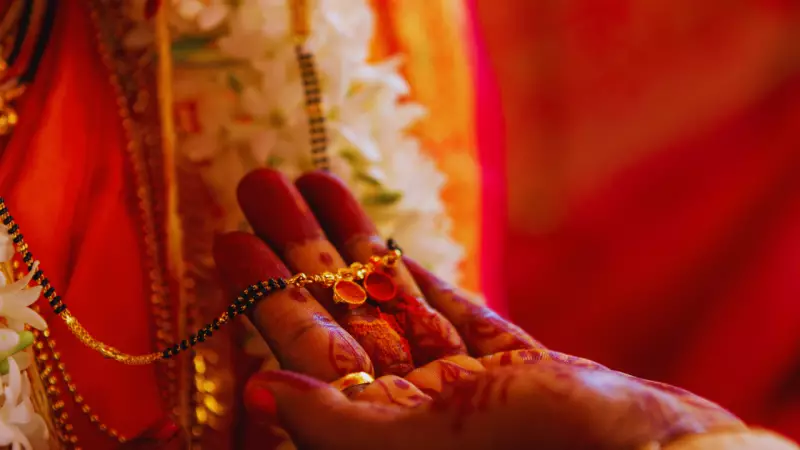
Imran agreed to fulfill this request, demonstrating his dedication to the relationship. Four days ago, the couple visited the police station to formalize this agreement. In a significant moment, the groom tied the 'mangalsutra' around the bride's neck, a central ritual in Hindu weddings.
This symbolic ceremony was conducted in the presence of some family relatives. Police officials clarified that while the event was facilitated by their station, the personnel were not physically present during the actual tying of the mangalsutra as the couple left the premises.
Reconciliation and Moving Forward
On the groom's side, his family, including his mother and widowed sister, raised no objections to the marriage. The couple is professionally established; Imran works at a bank and Bhavya Sri is employed in the software industry, both earning good salaries.
The police reported a positive outcome, stating that the bride's mother has since reconciled to the wedding. While members of a right-wing organization had initially voiced opposition, they did not appear later to disrupt the proceedings or the resolution.
This incident highlights how institutional intervention, coupled with personal compromise, can pave the way for resolving sensitive family matters related to interfaith relationships in contemporary India.