

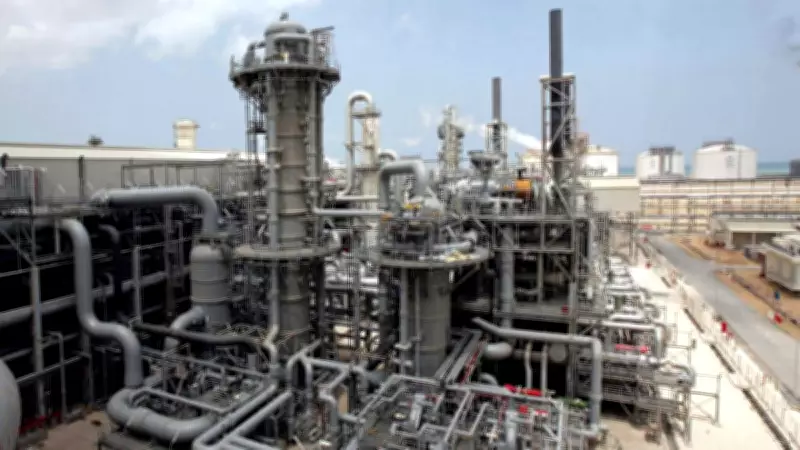
Iran Launches Attack on Qatar's Ras Laffan, the World's Largest Gas Hub
In a significant escalation of regional tensions, Iran has reportedly carried out an attack on Ras Laffan, the world's largest liquefied natural gas (LNG) hub located in Qatar. This incident, which occurred recently, has sent shockwaves through global energy markets and raised immediate concerns for major importers like India, which relies heavily on Qatari gas supplies.
Details of the Attack and Immediate Aftermath
The attack targeted the Ras Laffan Industrial City, a critical infrastructure node that processes and exports vast quantities of LNG. While specific damage assessments are still emerging, initial reports suggest disruptions to operations, potentially affecting gas production and shipment schedules. This development comes amid ongoing geopolitical frictions in the Middle East, highlighting the vulnerability of key energy assets to conflict.
Qatar, as the world's leading LNG exporter, plays a pivotal role in meeting global energy demands, with Ras Laffan serving as its primary export facility. Any interruption here can have ripple effects across international markets, influencing prices and supply stability.

Implications for India's Energy Security and Economy
For India, this attack poses direct challenges to its energy security. India is one of the largest importers of Qatari LNG, relying on these supplies to fuel its power plants, industries, and urban centers. A sustained disruption could lead to:
- Increased LNG Prices: Supply constraints from Qatar might drive up global LNG prices, increasing India's import costs and potentially impacting inflation.
- Supply Chain Disruptions: Delays in shipments could strain India's energy reserves, necessitating quick adjustments in sourcing from alternative suppliers.
- Strategic Reassessment: This incident may prompt India to diversify its energy imports further, accelerating investments in domestic production and partnerships with other gas-rich nations.
India's government and energy companies are closely monitoring the situation, with contingency plans likely being activated to mitigate any short-term shortages.
Broader Global and Regional Consequences
Beyond India, the attack on Ras Laffan underscores the fragility of global energy infrastructure in conflict-prone regions. Key points include:
- Market Volatility: Energy markets may experience heightened volatility as traders react to supply uncertainties.
- Diplomatic Strains: This event could exacerbate tensions between Iran and other Middle Eastern states, potentially drawing in international actors.
- Environmental and Economic Impact: Reduced gas availability might force some countries to revert to more polluting energy sources, affecting climate goals.
As the situation evolves, stakeholders worldwide are assessing the long-term implications for energy trade and security.
Looking Ahead: India's Response and Future Outlook
In response to this crisis, India is expected to leverage its diplomatic channels to ensure stable gas flows while exploring immediate alternatives. Potential measures include:
- Engaging with Qatar to secure priority access to unaffected supplies.
- Boosting imports from other sources such as the United States, Australia, or Russia.
- Accelerating renewable energy projects to reduce dependence on imported fossil fuels.
This incident serves as a stark reminder of the interconnectedness of global energy markets and the need for resilient supply chains. For India, balancing immediate energy needs with long-term strategic diversification will be crucial in navigating the fallout from this attack.






