

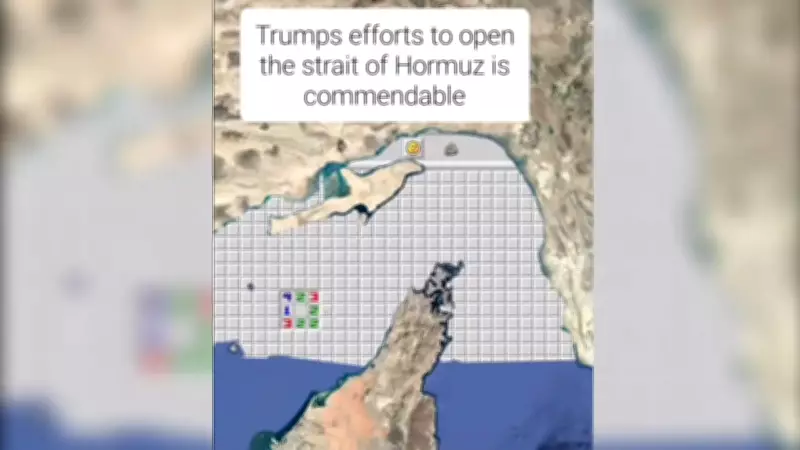
Iranian Embassies Launch Digital Attack on Trump Using Classic Game
The longstanding tensions between the United States and Iran have now entered a new, digital battlefield. What was once confined to official press conferences and diplomatic speeches has exploded onto social media platforms, where Iranian embassies worldwide are engaging in a coordinated campaign of mockery aimed at US President Donald Trump. This shift highlights how geopolitical conflicts are increasingly playing out in the virtual realm, with embassies leveraging humor and nostalgia to convey sharp political messages.
Satirical Video from Afghanistan Goes Viral
In recent days, Iranian embassy accounts across the globe have unleashed a wave of sharply worded online attacks. These posts are designed to ridicule President Trump's language, particularly from his posts on Truth Social. One of the most viral examples originated from the Iranian consulate in Mazar-e-Sharif, Afghanistan. The embassy posted a satirical video that directly targets and makes fun of Trump's efforts to open the Strait of Hormuz, a critical and highly contested global shipping route.
The video creatively overlays gameplay from the classic Microsoft Windows game, Minesweeper, onto a satellite map of the Strait of Hormuz. As the video progresses, viewers witness repeated "mine" explosions occurring across the grid superimposed on the waterway. Accompanied by sarcastic text that praises Trump's attempts as "commendable," the video serves as a biting critique of US naval strategies in the region.

What Is the Minesweeper Game?
For those who owned a computer in the 1990s or early 2000s, Minesweeper is a fondly remembered classic. It is a single-player puzzle game that came pre-installed on almost every Microsoft Windows computer. The game board consists of a grid of blank gray squares, with hidden "mines" or bombs underneath some of them. The objective is to click and clear every safe square without accidentally detonating a mine.
When players click on a safe square, it reveals a number indicating how many hidden bombs are adjacent to that specific square. Using logic and these numerical clues, players must deduce the locations of the bombs and avoid them. Clicking on a square that conceals a mine results in an immediate explosion, ending the game in a loss. This simple yet challenging gameplay has made Minesweeper an iconic part of digital history.
Political Purpose Behind the Mockery
Iran's use of Minesweeper to inject humor and mockery serves a clear political agenda. The country has publicly announced that it has installed mines in the Strait of Hormuz as a deterrent, aiming to stop ships and tankers from passing through without authorization from Iranian authorities. By employing Minesweeper imagery, Iran implies that any US navigation through these waters is as perilous as clicking on a bomb in the game. This digital tactic not only mocks Trump's efforts but also underscores Iran's defensive posture and willingness to use unconventional means to communicate its stance.
This incident exemplifies how nations are increasingly turning to social media and digital tools to wage propaganda wars, blending entertainment with serious geopolitical messaging. As tensions continue to simmer, such creative approaches may become more common in international diplomacy.






