

Iran Reimposes Maritime Restrictions in Strait of Hormuz Amid US Ceasefire Allegations
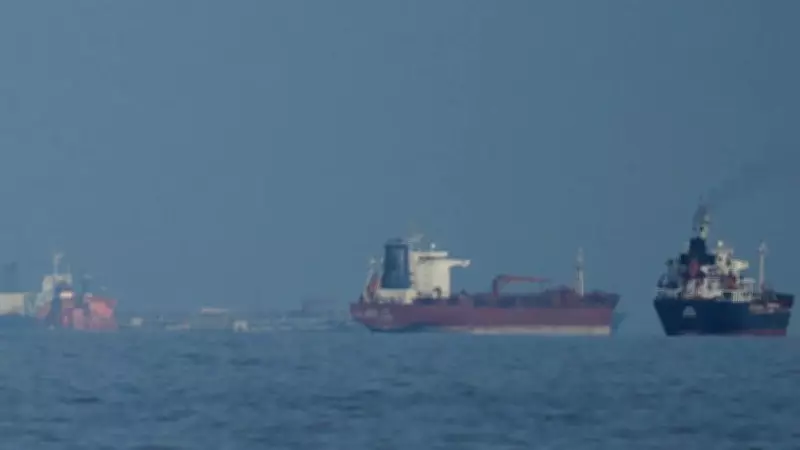
In a significant development that has heightened geopolitical tensions, Iran has once again imposed restrictions on shipping in the Strait of Hormuz. The Iranian government has formally accused the United States of violating a previously established ceasefire agreement, citing this as the primary reason for its latest maritime security measures. This action marks a renewed escalation in a region critical for global energy supplies, with the strait serving as a vital chokepoint for approximately one-fifth of the world's oil trade.
Details of the Restrictions and Accusations
The restrictions involve increased monitoring and control over vessels passing through the narrow waterway, which connects the Persian Gulf to the Gulf of Oman. Iranian authorities have stated that these measures are necessary to ensure regional stability and protect national interests in light of what they describe as provocative actions by the US. Specifically, Iran alleges that the US breached the ceasefire by conducting unauthorized military maneuvers and deploying additional naval assets near Iranian territorial waters, actions that Tehran claims undermine the spirit of the agreement.
This move comes after a period of relative calm following the initial ceasefire, which was intended to de-escalate longstanding hostilities between the two nations. The reimposition of restrictions suggests a breakdown in diplomatic efforts, potentially jeopardizing recent progress toward peace. Analysts note that such measures could disrupt international shipping lanes, leading to increased insurance costs and delays for oil tankers and commercial vessels.

Global Implications and Regional Reactions
The Strait of Hormuz is a strategically indispensable maritime corridor, with its closure or heightened tensions historically causing spikes in global oil prices and economic uncertainty. Iran's decision to tighten control here is likely to draw swift responses from the international community, particularly from oil-dependent nations and major powers like the US and its allies. Regional players, including Gulf Cooperation Council (GCC) members, are monitoring the situation closely, as any conflict in the area could have cascading effects on Middle Eastern stability.
In response to Iran's accusations, US officials have yet to issue a formal statement, but previous patterns indicate that Washington may deny any ceasefire violations and instead point to Iran's actions as destabilizing. This tit-for-tat dynamic has been a hallmark of US-Iran relations, often leading to cycles of escalation that risk broader military confrontations.
Historical Context and Future Outlook
This is not the first time Iran has imposed restrictions in the Strait of Hormuz; similar moves have occurred during past tensions, such as in 2019 and 2021, when Tehran threatened to block the waterway in response to US sanctions. The current situation underscores the fragile nature of ceasefire agreements in the region and highlights the ongoing struggle for influence between Iran and the US.
- Increased Naval Presence: Iran has reportedly bolstered its naval forces in the area, including patrol boats and surveillance systems, to enforce the new restrictions.
- Economic Impact: Any prolonged disruption could affect global energy markets, potentially leading to higher fuel prices and supply chain issues.
- Diplomatic Efforts: International mediators may need to intervene to prevent further escalation and revive ceasefire talks.
As the situation unfolds, stakeholders worldwide are urging restraint and dialogue to avoid a full-blown crisis. The coming days will be critical in determining whether this latest incident leads to a temporary standoff or spirals into more severe confrontations, with implications for global security and economic stability.






