Iran Confiscates Starlink Devices as SpaceX Challenges Internet Blackout
Iran faces a digital showdown from space. The country's nationwide internet blackout now confronts a bold new challenge. Elon Musk's SpaceX has started offering free Starlink satellite internet access to users inside Iran. This move directly bypasses state controls during escalating anti-government protests.
Authorities Label Devices as Espionage Tools
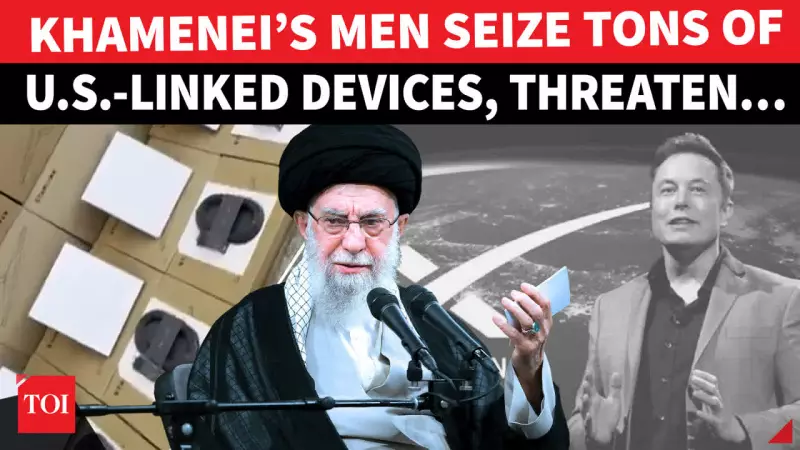
Iranian authorities have responded aggressively. They say they have seized thousands of Starlink terminals in recent operations. Officials label these devices as tools for espionage and sabotage. Security forces are conducting raids across the country while simultaneously jamming satellite signals.
Despite government bans and confiscation efforts, experts believe many devices remain operational. Current estimates suggest over 50,000 Starlink terminals have already entered Iran. These devices provide a crucial communication lifeline for protesters facing state-imposed internet restrictions.

Deadly Protests Continue Amid Communication Battle
The technological confrontation unfolds against a backdrop of violent unrest. Activists warn that thousands may have been killed during weeks of protests. The Iranian government's internet blackout aimed to control information flow and suppress dissent. SpaceX's intervention has dramatically changed this dynamic.
Starlink's satellite internet service operates independently of ground-based infrastructure. This makes it particularly difficult for authorities to block completely. Users can connect small satellite dishes to access the global internet, circumventing national firewalls and censorship systems.
Satellite Internet Emerges as Geopolitical Weapon
The situation highlights how satellite internet technology has evolved into a powerful geopolitical tool. Private companies like SpaceX now wield significant influence in international conflicts. Their technology can empower citizens against authoritarian controls, creating new dimensions in digital warfare.
This development represents more than just a technical workaround. It demonstrates how space-based communication systems challenge traditional notions of national sovereignty over information. The Iranian government's struggle to contain Starlink access shows the limitations of even extensive censorship apparatuses.
As protests continue and the communication battle intensifies, the world watches how this technological confrontation unfolds. The outcome could set important precedents for how governments and private companies interact during political crises. Satellite internet has clearly emerged as both a humanitarian tool and a strategic weapon in modern conflicts.