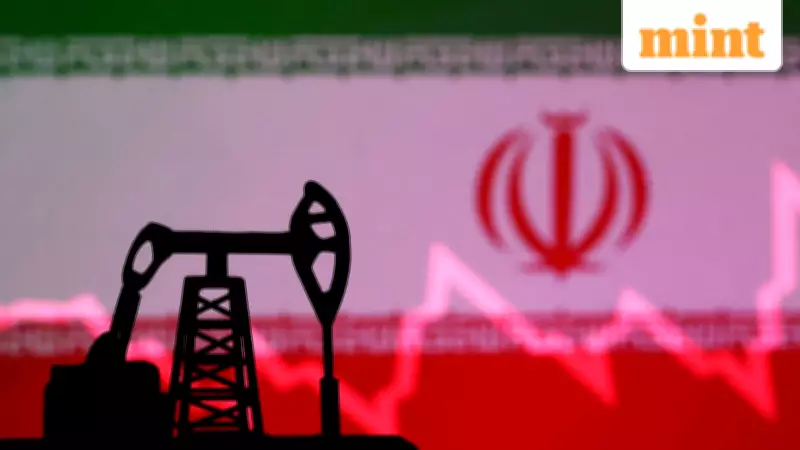
Iran Confiscates Two Foreign Oil Tankers in Persian Gulf Over Smuggling Allegations
In a significant maritime incident, Iran seized two foreign oil tankers in the Persian Gulf on Thursday, accusing them of smuggling fuel. The announcement was made by state television, citing reports from the Associated Press (AP). The nationalities of the tankers and the flags they were flying remain unspecified, adding an element of international intrigue to the event.
Details of the Seizure and Cargo
Gen. Heidar Honarian Mojarrad, a regional commander in Iran's Revolutionary Guard navy, provided operational details. The tankers were intercepted near Farsi Island and subsequently transferred to the port of Bushehr. According to the general, the vessels were carrying approximately 1 million litres of fuel, which includes diesel and translates to roughly 6,300 barrels of oil. This substantial haul underscores the economic stakes involved in such maritime operations.
Crew Detention and Judicial Proceedings
Fifteen crew members aboard the two tankers are currently "in custody of judicial bodies," as stated by Gen. Mojarrad. Their nationalities have not been disclosed, leaving questions about the international ramifications of their detention. This move aligns with Iran's periodic confiscations of oil tankers in the region on similar smuggling allegations, highlighting a pattern of assertive maritime enforcement.
Historical Context and Regional Tensions
This seizure is not an isolated incident. In December, Iran confiscated a foreign tanker passing through the strategic Strait of Hormuz, detaining 16 crew members, and had seized another vessel in the same strait in November. These actions occur against a backdrop of heightened regional tensions. Western nations, including the United States, have previously blamed Iran for a series of limpet mine attacks on tankers in 2019 and a 2021 drone strike on an Israeli-linked oil tanker that resulted in the deaths of two European crew members.
These hostilities intensified following former U.S. President Donald Trump's unilateral withdrawal from Iran's 2015 nuclear deal during his first term, which has fueled ongoing diplomatic and military friction.
Timing Ahead of Crucial Nuclear Talks
The tanker seizure comes at a politically sensitive moment, occurring just one day before the United States and Iran are scheduled to meet for highly-anticipated nuclear talks in Muscat, the capital of Oman. These discussions are critical as both nations navigate complex negotiations aimed at reviving the nuclear accord. Tensions remain elevated following Tehran's recent bloody crackdown on nationwide protests last month, which has further strained international relations.
This incident underscores the volatile dynamics in the Persian Gulf, where maritime security, economic interests, and geopolitical maneuvering frequently intersect. As the world watches the upcoming talks, the seizure of these tankers serves as a stark reminder of the ongoing challenges in achieving stability in the region.