Iranian Students in India Wait in Fear as Protests Rage and Phones Go Silent
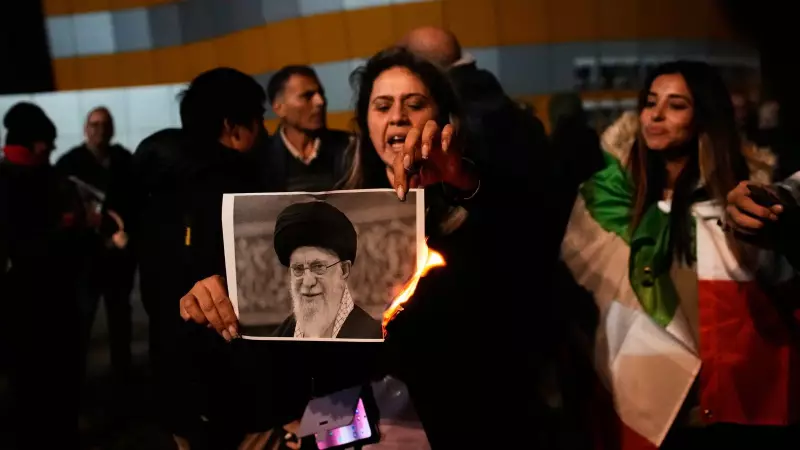
In hostel rooms across Delhi and Pune, Iranian students face a heart-wrenching reality. They scroll through social media endlessly, hoping for any sign that their families back home are safe. With protests escalating in Iran and communication channels collapsing, these students feel utterly helpless. Their only updates come from shaky online videos that often vanish or contradict each other.
"I Don't Know If My Parents Are Alive"
A 32-year-old PhD scholar in Delhi shares her daily struggle. She left Iran four years ago for doctoral research in cultural studies. Until recently, she spoke to her parents every single day. Now, her calls fail to connect, and messages remain undelivered. "I cannot focus. I cannot sleep," she admits. Every buzz of her phone brings a fleeting hope that it might be her family. Her mother is a homemaker, and her father runs a small grocery shop in Tehran, which she believes is now shut. The last conversation with her parents revealed a tense situation with protests and police presence everywhere.
Anxiety Deepens with Evacuation Plans
The anxiety among these students has intensified as India begins preparations to evacuate its nationals from Iran. The Ministry of External Affairs is making arrangements to facilitate the return of Indian citizens who wish to leave. This move comes after Tehran temporarily closed its airspace to commercial flights, adding to the uncertainty in West Asia. An estimated 10,000 Indians are currently in Iran, including students and pilgrims. The Indian embassy in Tehran has urged nationals to avoid protest sites and consider departing.

Stories of Helplessness from Different Cities
In Jamia Nagar, Delhi, Syed Hadi, a 21-year-old undergraduate student, counts the days since he last heard from his younger sister. She moved to Tehran in 2023 to study psychology and lives in a hostel. Hadi, who holds an Indian passport but has Iranian roots, describes Tehran as never feeling distant until now. His parents in Kashmir stay awake late, phones in hand, gripped by panic. As a student of peace and conflict studies, Hadi is wary of biased online information but still scrolls constantly for updates.
Meanwhile, a 33-year-old PhD scholar in Pune, studying commerce and management, echoes similar fears. She has not heard from her family in over a week. Citing reports among Iranian networks, she claims that thousands have been affected by the violence. All these students share a common thread of emotional turmoil, unable to confirm the safety of their loved ones.
The Impact of Currency Collapse and Internet Shutdown
The current crisis in Iran began with the collapse of the country's currency, with the dollar soaring to about 1.4 million rials. This economic turmoil sparked initial protests from shopkeepers and businessmen, eventually drawing wider public dissatisfaction. The internet shutdown, believed to be intentional, has severed vital communication links. Students feel this blackout is a tactic to silence voices and control information flow.
Hopes for the Future Amidst Uncertainty
Despite the fear, some students hold onto hope. The Delhi PhD scholar dreams of returning to Iran someday, calling it a beautiful place that shapes her future. She prays daily to reunite with her family, whom she hasn't seen in two years. She aspires to write about the current events, wanting to be strong enough to speak out for her people. As protests continue and evacuation plans unfold, these Iranian students in India remain in a state of anxious waiting, clinging to fragmented updates from afar.