

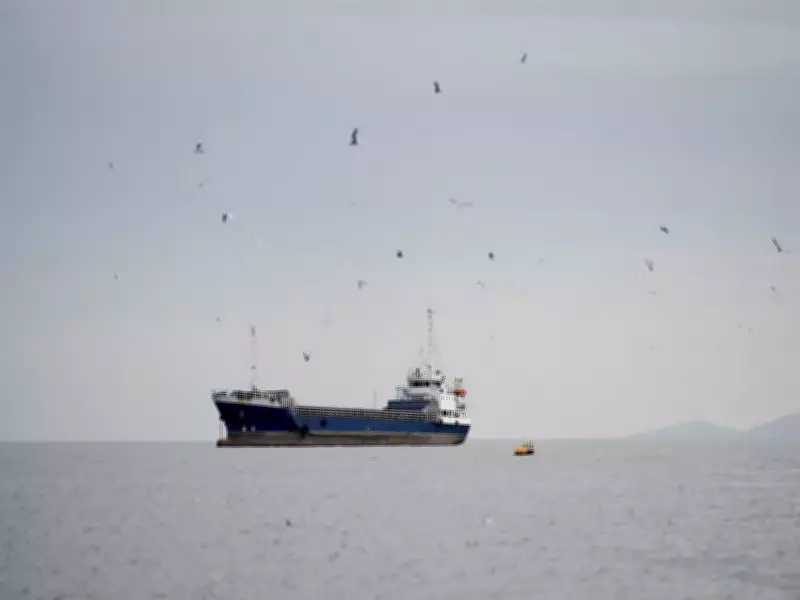
Iranian Supertanker Defies Blockade After Massive Crude Offload
In a significant development that underscores the ongoing geopolitical tensions in global oil markets, an Iranian supertanker has reportedly breached a blockade line. This bold maneuver occurred after the vessel successfully offloaded a staggering 2 million barrels of crude oil, according to recent reports. The incident highlights the complex interplay between international sanctions, maritime security, and the strategic maneuvering of oil-rich nations.
Details of the Maritime Incident
The supertanker, which has not been officially named in initial accounts, executed its operation with precision, navigating through restricted waters to deliver its cargo. The offloading of 2 million barrels of crude oil represents a substantial volume, equivalent to approximately one day's worth of production for a medium-sized oil field. This action is seen as a direct challenge to existing blockades or sanctions that aim to curb Iran's oil exports, which are a critical component of its economy.
Blockade Breach: The breach of the blockade line is a particularly contentious aspect of this event. Blockades are often enforced by naval forces or through international agreements to prevent the flow of goods, including oil, in conflict zones or under sanctions regimes. By crossing this line, the Iranian supertanker has not only defied these restrictions but also raised questions about the effectiveness of such measures in controlling global oil trade.

Implications for Global Oil Trade and Security
This incident has far-reaching implications for the global oil industry and international relations. Iran, as a major oil producer, has faced stringent sanctions from various countries, particularly the United States, which have aimed to limit its oil exports. The successful offloading of 2 million barrels suggests that Iran may be finding ways to circumvent these restrictions, potentially through covert routes or with the assistance of allied nations.
Maritime Security Concerns: The breach also brings maritime security into sharp focus. Supertankers, due to their size and value, are high-profile targets for piracy, smuggling, and geopolitical conflicts. This event could prompt increased patrols and surveillance in key shipping lanes, such as the Strait of Hormuz, through which a significant portion of the world's oil passes. It may lead to heightened tensions between Iran and other nations with interests in the region.
Broader Context and Future Outlook
The timing of this incident is crucial, as it comes amid ongoing negotiations and diplomatic efforts related to Iran's nuclear program and oil exports. Offloading such a large quantity of crude oil could be interpreted as a signal of Iran's resilience and its ability to sustain its economy despite external pressures. It may also influence global oil prices, as any disruption or defiance in supply chains can lead to market volatility.
- Economic Impact: The offload of 2 million barrels could provide a temporary boost to Iran's revenue, albeit at the risk of further sanctions or retaliatory actions.
- Diplomatic Ramifications: This breach is likely to be discussed in international forums, potentially affecting diplomatic relations and future agreements.
- Security Measures: Nations may reassess their maritime security strategies to prevent similar incidents in the future.
In conclusion, the Iranian supertanker's breach of a blockade line after offloading 2 million barrels of crude oil is a pivotal event that underscores the ongoing challenges in global oil trade and maritime security. As the situation develops, it will be closely monitored by policymakers, industry experts, and security analysts worldwide.






