

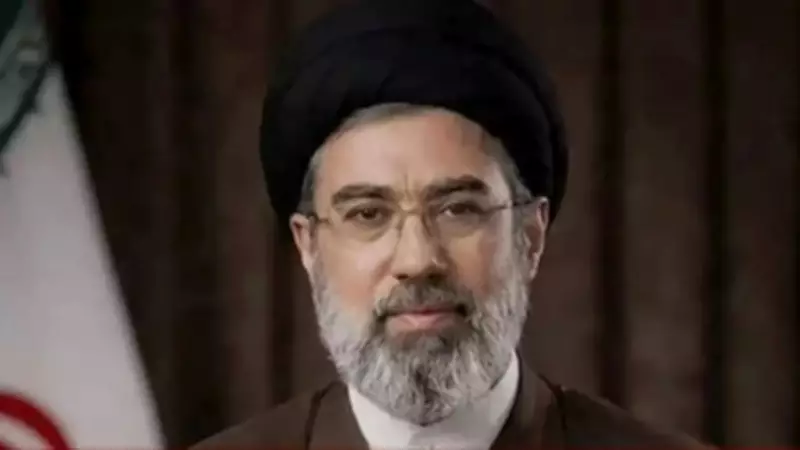
Iran's Supreme Leader Announces Hardened Position on Strait of Hormuz
In a significant development, Iran's new Supreme Leader Mojtaba Khamenei has issued a stern warning, indicating a more aggressive approach towards the strategically vital Strait of Hormuz. He declared that Tehran will elevate its management of this crucial waterway to a "new stage," even as a delicate ceasefire with the United States and Israel faces ongoing challenges.
Khamenei's Statement: Demands and Threats
Addressing the nation through a written statement on Thursday, Khamenei emphasized that Iran will not allow the US and Israel to escape consequences for their perceived aggression. He asserted, "By the permission of Almighty God, we will certainly not let the criminal aggressors go free. We will certainly demand compensation for every injury inflicted, blood money for the martyrs, and reparations for the disabled veterans of this war, and we will certainly advance the management of the Strait of Hormuz to a new stage." This declaration underscores Iran's intent to seek reparations for wartime losses while tightening its grip on the strait.
Victory Claims and Mobilization Calls Amid Ceasefire
Khamenei also claimed victory in the ongoing West Asia conflict, praising the resilience of the Iranian people and armed forces. He stated, "Today, and up to this point, it can boldly be said that you, the heroic nation of Iran, have been the definitive victor in this arena." Despite the temporary ceasefire agreement, he urged citizens to continue mobilizing, encouraging the formation of "human defence chains" and maintaining public pressure during negotiations. "Your cries in the squares are effective in the outcome of the negotiations," he added, highlighting the role of domestic support in diplomatic efforts.

In a measured tone, Khamenei clarified that Iran does not seek war but will not compromise on its rights. He affirmed, "We do not seek war but will not renounce our legitimate rights under any circumstances," even as Tehran engages in talks with Washington.
Strait of Hormuz: A Flashpoint in Global Tensions
The Strait of Hormuz remains a central point of contention, with its narrow passage serving as a key global oil route. Any disruption here could trigger supply shocks and spike energy prices, raising international concerns. US President Donald Trump has accused Iran of failing to uphold commitments to allow unimpeded oil shipments through the strait, warning of severe consequences if flows are obstructed.
Fragile Ceasefire and Ongoing Accusations
The ceasefire remains precarious, with disagreements over its scope persisting. The US and Israel maintain that the truce does not apply to Hezbollah-linked targets, even as Israeli strikes in Lebanon continue. Both sides continue to accuse each other of violations, keeping the risk of escalation high despite ongoing diplomatic efforts. This situation complicates regional stability and global energy security.
As tensions simmer, the international community watches closely, with the Strait of Hormuz's fate hanging in the balance amid these geopolitical maneuvers.






