Mosque Profiling Drive by Police in Kashmir Valley Sparks Widespread Outcry
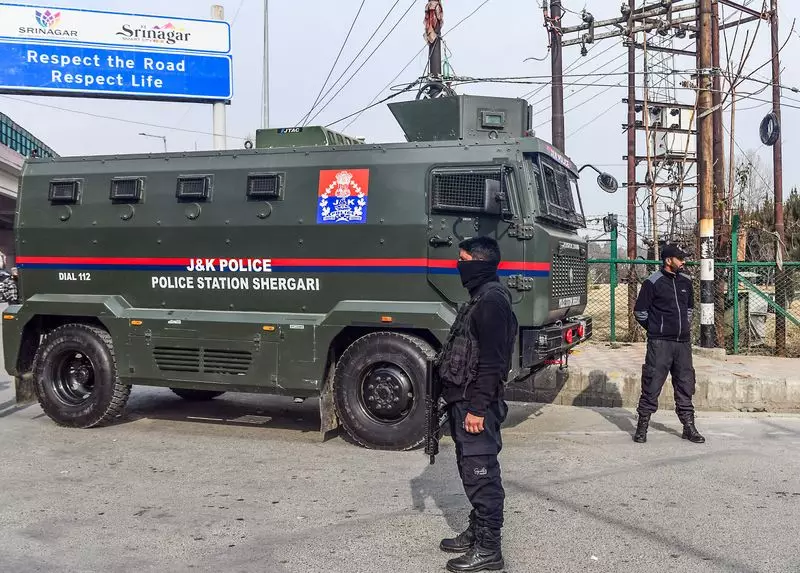
A recent police initiative in Jammu and Kashmir has triggered a significant political and religious outcry. Authorities in the Kashmir Valley launched a drive to profile mosques, collecting detailed information about these religious institutions.
Details of the Police Survey
The police survey involves gathering data on various aspects of mosques. This includes information about the management committees, financial sources, and activities conducted at these places of worship. Officers are visiting mosques to compile this information systematically.
Local residents report that police teams are asking questions about the number of worshippers, the names of imams, and the types of sermons delivered. The drive covers both urban and rural areas across the Valley.

Strong Reactions from Political and Religious Groups
Political parties in Jammu and Kashmir have expressed strong opposition to the profiling drive. They argue that it infringes on religious freedom and privacy rights. Many leaders view it as an unnecessary intrusion into religious affairs.
Religious groups have also voiced their concerns. They fear that the collected data could be misused or lead to increased surveillance. Community leaders emphasize the importance of maintaining the sanctity of religious spaces without undue interference.
Several organizations have called for an immediate halt to the survey. They demand transparency from the authorities regarding the purpose and use of the gathered information.
Police Justification and Public Response
Police officials defend the initiative as a routine security measure. They state that profiling helps in maintaining law and order and preventing potential threats. The authorities claim the drive aims to ensure the safety and security of all citizens.
However, many residents remain skeptical. Public response in the Valley shows mixed reactions, with some supporting the police efforts while others express apprehension. The debate continues to intensify as more details emerge.
This development highlights ongoing tensions in the region regarding security measures and civil liberties. It underscores the delicate balance between state authority and individual rights in sensitive areas.
Broader Implications and Future Outlook
The mosque profiling drive raises broader questions about governance and community relations in Jammu and Kashmir. Analysts suggest that such initiatives could impact trust between the public and law enforcement agencies.
Moving forward, stakeholders are urging dialogue to address concerns. They recommend collaborative approaches that respect religious sentiments while ensuring security. The situation remains fluid, with potential for further discussions and adjustments.
Observers note that the outcome of this controversy may influence similar policies in other regions. It serves as a case study in managing security protocols within diverse societal frameworks.