

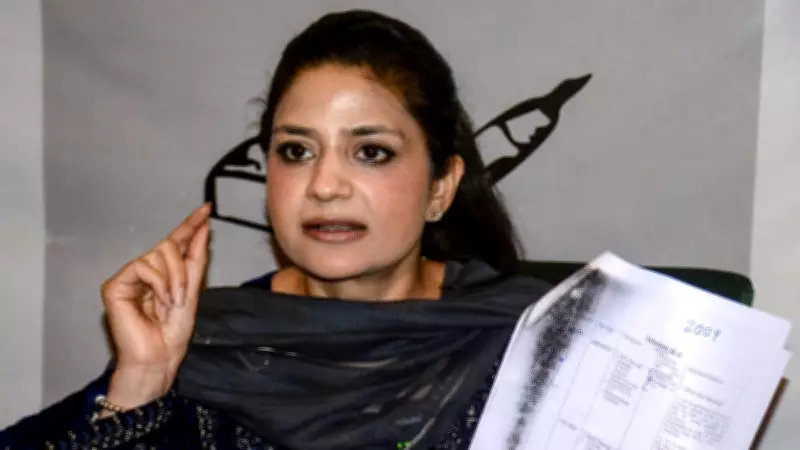
In a significant development, the Jammu and Kashmir Police have registered a First Information Report (FIR) against Peoples Democratic Party (PDP) leader Iltija Mufti for allegedly sharing separatist content on social media platforms. The action underscores the authorities' ongoing efforts to curb activities that promote separatism and disrupt public order in the region.
Content Under Scrutiny
The case centers around a post shared by Mufti that featured an old video of late Hurriyat leader Syed Ali Shah Geelani. In the video, Geelani is seen discussing the importance of the Urdu language. The police have deemed this content as promoting separatist ideology, given Geelani's known stance on Kashmir's independence from India.
Legal Provisions Invoked
The FIR invokes several sections of the Bharatiya Nyaya Sanhita (BNS), specifically Sections 152, 196, and 353. These provisions relate to promoting enmity between different groups, imputations and assertions prejudicial to national integration, and statements conducing to public mischief. The legal framework aims to penalize actions that incite unlawful activities and spread disaffection among the public.

Investigation Focus
The investigation will focus on determining the origin of the content, the intent behind sharing it, and the extent of its circulation. Authorities are particularly interested in assessing whether the post has the potential to incite public disaffection or disrupt peace and harmony. The police will also examine Mufti's social media activity to identify any other instances of such content sharing.
Government Warning
In a related advisory, the Jammu and Kashmir Police have urged citizens to refrain from sharing unlawful or sensitive content online. They have warned of strict legal action against violators, emphasizing that spreading separatist propaganda or material that threatens national security will not be tolerated. The police have encouraged the public to report any suspicious or harmful content to the authorities.
This case highlights the delicate balance between freedom of expression and national security concerns in the region. As the investigation proceeds, further details are expected to emerge regarding the specific content and its implications.






