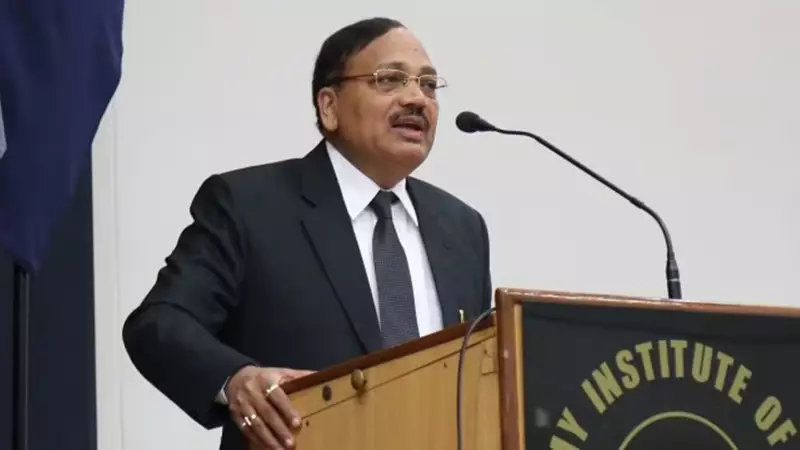
In a significant development that will shape the future of India's judicial system, Chief Justice of India DY Chandrachud has put forward Justice Surya Kant as his recommended successor. This recommendation marks a pivotal moment in the country's legal landscape and sets the stage for the next chapter in the Supreme Court's leadership.
The Succession Plan Unveiled
The formal recommendation was submitted to the central government earlier this week, initiating the carefully orchestrated succession process that governs India's highest judicial office. Justice Surya Kant, currently serving as a Supreme Court judge, stands next in line for the prestigious position based on the seniority convention followed in judicial appointments.
Who is Justice Surya Kant?
Justice Surya Kant brings a wealth of experience to the potential role of Chief Justice. His judicial career spans several significant milestones:

- Appointed as a Supreme Court judge in 2021
- Previously served as Chief Justice of the Himachal Pradesh High Court
- Has been part of several landmark judgments during his tenure
- Known for his expertise in constitutional matters and civil jurisprudence
Timeline of Transition
The succession plan follows a well-established protocol where the outgoing Chief Justice recommends the senior-most judge as successor. Chief Justice Chandrachud's tenure is scheduled to conclude in November 2024, creating a smooth transition window for the potential leadership change.
Significance of the Recommendation
This recommendation carries substantial weight in maintaining the independence and continuity of the Indian judiciary. The appointment of the Chief Justice of India represents one of the most crucial decisions in the country's governance structure, influencing the direction of legal interpretation and constitutional protection for years to come.
What Comes Next?
The central government will now review the recommendation as part of the established appointment procedure. While the recommendation traditionally carries significant weight, the formal appointment process involves multiple constitutional steps before the final announcement is made.
Legal experts and court observers are closely watching this development, recognizing its potential to influence the Supreme Court's approach to key national issues and constitutional matters in the coming years.