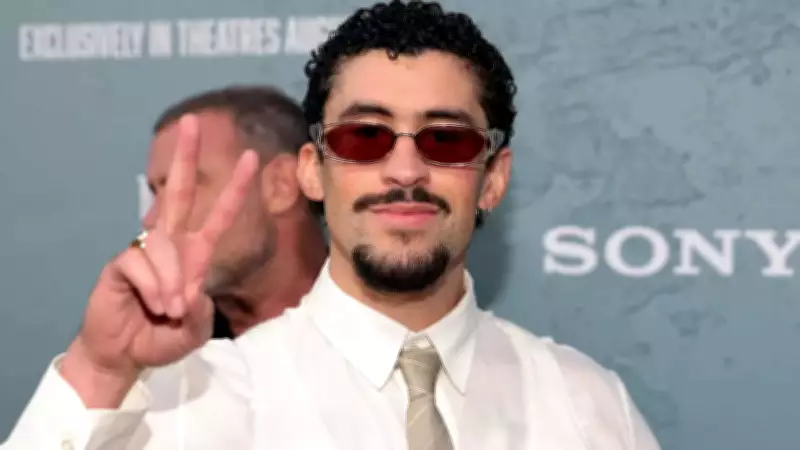
Bad Bunny Announced as Super Bowl 60 Halftime Headliner Amidst Political Firestorm
The National Football League has confirmed that global music sensation Bad Bunny will headline the highly anticipated Super Bowl 60 halftime show scheduled for February 8 in Santa Clara, California. This announcement comes as the league prepares for a championship rematch between the New England Patriots and Seattle Seahawks, but the musical performance has already become the most contentious topic surrounding the event.
The Strategic Selection Process Behind the Halftime Show
Contrary to popular perception, the NFL did not accidentally stumble upon Bad Bunny as their halftime performer. The league operates the halftime show selection with military precision, treating it as a carefully orchestrated campaign. According to NFL insiders, the process begins immediately after the previous Super Bowl concludes and typically wraps up by late summer or early fall, allowing months of strategic planning to build a global television moment around the chosen artist.
NFL senior vice president Jon Barker revealed the fundamental question guiding their selection: "What we really look at first and foremost is who's the right artist for that moment." The league's primary objective was securing an artist with worldwide appeal rather than merely a domestic hitmaker, reflecting their expanding international ambitions.

Roc Nation's Influential Role and Corporate Partnerships
Since 2020, the NFL has collaborated closely with Jay-Z's Roc Nation in the halftime show selection process. While the league maintains oversight throughout, a small internal group provides final approval when the artist name is presented. Barker described this arrangement as maintaining visibility without chaos: "We understand which artists they're talking to along the way."
Corporate sponsorship plays a crucial role in this equation, with Apple Music serving as the title sponsor for the halftime show. Barker emphasized the unparalleled exposure opportunity for artists, noting that while performers typically receive only union scale payments rather than substantial performance fees, the platform offers something more valuable: "When you have an opportunity as an artist to stand on a stage and reach 250 million people at one time ... I think that it is one of the most important stages in live entertainment."
Bad Bunny's Streaming Dominance and Cultural Relevance
Bad Bunny's selection aligns perfectly with the NFL's business objectives. The Puerto Rican artist's staggering streaming numbers provide compelling evidence of his global reach. According to Spotify's 2025 Wrapped data, Bad Bunny remained the world's most-streamed artist with an astonishing 19.8 billion streams. This statistic represents more than mere popularity—it demonstrates to advertisers, international markets, and younger audiences that the NFL understands contemporary cultural movements and actively pursues them.
Political Backlash and the NFL's Calculated Response
The announcement triggered immediate political controversy, transforming the narrative from "who booked the show" to "why the league is willing to withstand the criticism."
Conservative Criticism and Bad Bunny's Political Stance
ESPN reported that Department of Homeland Security Secretary Kristi Noem criticized the NFL shortly after the announcement, stating bluntly: "They suck, and we'll win." A DHS adviser further denounced the selection as "shameful" during an appearance on a right-wing podcast.
Bad Bunny has been openly critical of Trump-era immigration policies, telling i-D Magazine that he previously avoided U.S. tours due to concerns about potential Immigration and Customs Enforcement activity: "F---ing ICE could be outside [the concert]." During a "Saturday Night Live" appearance addressing the controversy, the artist expressed excitement about performing while delivering a pointed message: "I'm very excited to be doing the Super Bowl, and I know people all around the world who love my music are also happy. And if you didn't understand what I just said, you have four months to learn."

Donald Trump's Opposition and NFL's Strategic Positioning
Former President Donald Trump joined the criticism, telling The Athletic: "I'm anti-them. I think it's a terrible choice. All it does is sow hatred. Terrible." In a separate interview with NewsMax, Trump claimed unfamiliarity with the artist: "I've never heard of him. I don't know who he is. I don't know why they're doing it."
Despite this political firestorm, the NFL maintains a steadfast position. Barker told The Athletic that there was no "meaningful discussion" about potential political ramifications before selecting Bad Bunny. ESPN reported that league and club executives remain committed to their choice because it supports crucial business objectives: expanding the NFL's international footprint and specifically growing its Latino audience base.
The Bigger Picture: International Expansion and Demographic Reach
The controversy surrounding Bad Bunny's selection reveals the NFL's broader strategic priorities. While political backlash generates headlines, the league's primary focus remains on reaching new global markets and younger, more diverse audiences. By choosing an artist with massive international appeal despite potential domestic political consequences, the NFL signals its commitment to becoming a truly global sports entertainment brand rather than remaining confined to traditional American demographics.
This calculated approach demonstrates how modern sports organizations balance cultural relevance with commercial objectives, even when facing significant political pressure. The Super Bowl 60 halftime show controversy ultimately highlights the evolving intersection of sports, entertainment, and politics in an increasingly globalized media landscape.