

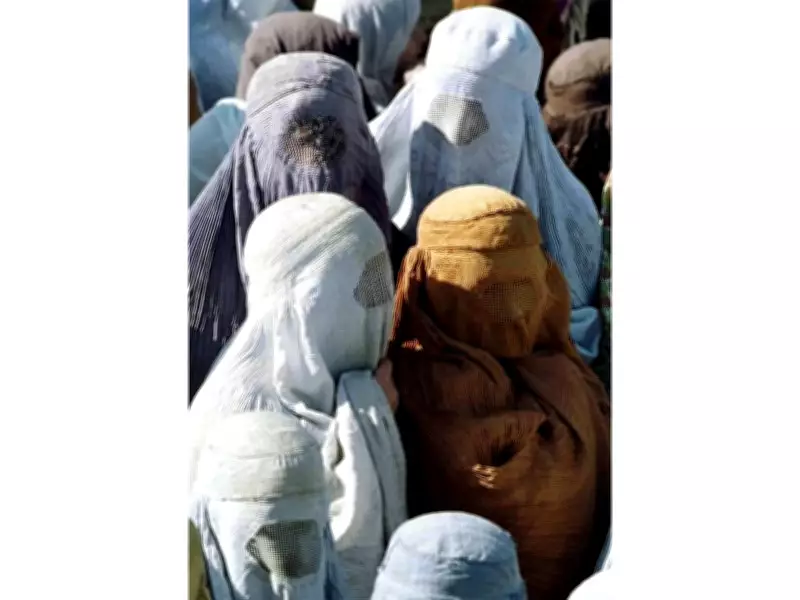
Kabul Schoolgirls Renew Calls for Reopening of Schools Amid Taliban Restrictions
In a heartfelt plea, female students in Kabul, Afghanistan, have once again appealed for the reopening of schools and educational institutions that have remained closed under the Islamic Emirate's stringent restrictions. This renewed call, reported by Tolo News, underscores the ongoing limitations on girls' schooling, which have left countless young Afghans without access to formal education, jeopardizing their futures and the nation's progress.
Voices of Frustration and Hope
A number of schoolgirls have expressed deep frustration over the continued closure of educational facilities. Mojda, a student from Takhar province, shared her family's journey to seek education in Kabul, only to face further disappointment. "After schools were closed, we came to Kabul with our family to study in courses, but those were also shut down," she explained. "Our request from the Islamic Emirate is to reopen school doors for girls," she added, highlighting the emotional and academic toll of the prolonged shutdown.
Another student, Sama, echoed similar sentiments, stressing the urgency of restoring access to education. "Our demand is that schools reopen so we can study. Afghan girls no longer have hope, and their only hope is education," she told Tolo News. These pleas come at a time when restrictions on girls' education in Afghanistan have drawn international attention and widespread criticism from human rights organizations.

Broader Implications and Activist Responses
Women's rights activists have weighed in on the impact of the closures, describing the situation as a blatant violation of fundamental rights. Lamia Shirzai, an advocate for educational access, told local media that with the start of a new year, "school and university doors must be reopened as soon as possible based on the interests of the Afghan people, so the country does not fall behind in regional and global competition." Activists argue that long-term exclusion from schooling not only harms individual prospects but also poses broader social and economic consequences for Afghanistan's future, potentially stunting development and innovation.
Husnia, another student, described her concern about being stuck at home after completing sixth grade, saying, "I am very worried because I have finished sixth grade and may have to stay at home afterwards and not be able to progress. I ask the Islamic Emirate to reopen schools for girls because they have big dreams." Her words reflect a wider sentiment among Afghan girls who remain determined to pursue education despite the imposing restrictions, showcasing resilience in the face of adversity.
International Context and Human Rights Concerns
Following political changes in Afghanistan, widespread constraints were placed on girls' education, with doors to schools and universities remaining closed to many. International human rights organizations have repeatedly emphasized that access to education is a fundamental human right, and depriving girls of this right could have long-lasting adverse effects on Afghan society. The ongoing situation has sparked global debates on women's rights and the need for inclusive policies to ensure equitable opportunities for all citizens.
Key Points:
- Schoolgirls in Kabul are urging the Taliban to reopen educational institutions.
- Restrictions have left many without formal schooling, threatening their futures.
- Activists warn of social and economic repercussions for Afghanistan.
- International bodies highlight education as a fundamental human right.
This renewed appeal from Kabul schoolgirls serves as a poignant reminder of the critical need for educational access in Afghanistan, as the country navigates complex political and social challenges.






