In a significant move to protect individual rights and social harmony, the Karnataka state cabinet has approved a stringent new bill aimed at eradicating the practice of social boycott. The proposed legislation, cleared on Thursday, December 5, 2025, seeks to make social boycotts imposed by extra-judicial bodies a punishable offence with severe penalties.
Key Provisions and Punishments
The Karnataka Social Boycott (Prevention, Prohibition and Redressal) Bill, 2025, outlines clear consequences for those imposing such boycotts. Any person found guilty of imposing a social boycott can face imprisonment of up to three years, a fine of up to ₹1 lakh, or both. The bill explicitly prohibits denial of opportunities, access to public services, refusal to conduct business, obstruction of religious or social events and marriages, and the expulsion of community members.
A notable feature of the bill is the provision for victim compensation. A portion of the penalty amount collected from the convict can be awarded as compensation to the victim of the social boycott, offering them some financial redressal for the harassment faced.
Addressing a Deep-Rooted Social Evil
Law Minister H K Patil stated that existing laws have proven inadequate in tackling these unconstitutional practices, necessitating specific legislation. The bill's statement of objects and reasons highlights the persistent harassment faced by individuals and groups, particularly in rural areas, due to the diktats of caste or community panchayats and influential persons.
"It has been observed that the unconstitutional practices such as boycotts, imposition of various punishments by extra-judicial bodies... are still in practice in various communities in the state, resulting in great harassment to individuals or groups in leading their lives with dignity," the bill states. It further notes that these practices foster ill feelings and disharmony within society, especially in sensitive cases like inter-caste marriages.
Implementation and Monitoring Framework
To ensure effective enforcement, the proposed law introduces the role of a 'Social Boycott Prohibition Officer'. The state government will appoint officers, not below the rank of a Group 'A' officer, to monitor and address complaints within designated areas. This dedicated oversight mechanism is designed to provide a direct channel for victims to seek justice.
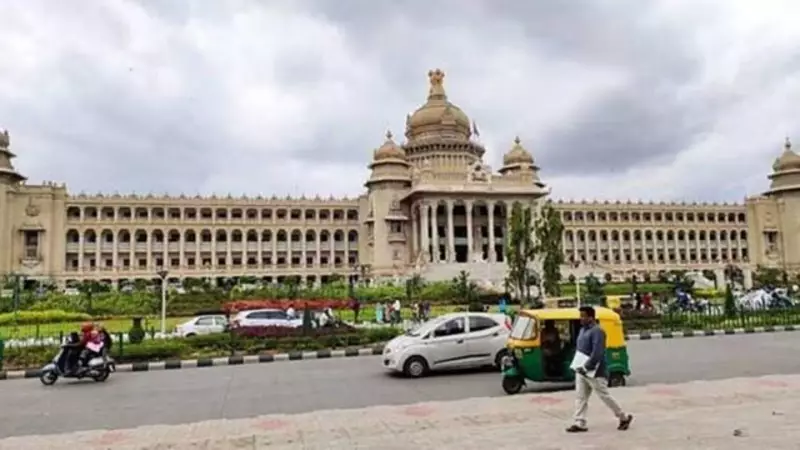
The bill is set to be introduced in the upcoming Winter Session of the state legislature, beginning December 8 in Belagavi. It draws inspiration from similar laws in other states, such as the Maharashtra Protection of People from Social Boycott Act, 2016, and Karnataka's own 2017 law against evil practices and black magic, which was also spearheaded by the social welfare department.
This legislative step marks Karnataka's firm commitment to upholding constitutional values and protecting citizens from social ostracization and discrimination enforced by non-state actors.