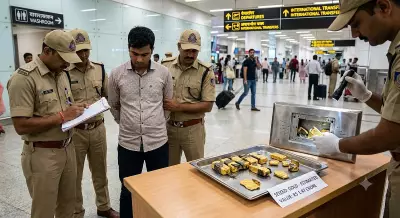
Karnataka Drug Cases Show Sharp Increase
Drug-related cases in Karnataka have seen a significant rise according to recent police statistics. The state police released data highlighting this troubling trend. Authorities report more people facing charges in connection with drug offenses.
Foreign Nationals Face More Charges
The number of foreign nationals hauled up for drug-related cases shot up sharply. Police records show a clear increase in cases involving non-Indian citizens. This marks a notable shift in the profile of those accused in drug crimes across the state.
Investigators point to several factors behind this rise. Increased vigilance and stricter enforcement may have contributed to the higher numbers. Police efforts to crack down on drug networks appear to be yielding more cases against foreign individuals.

Indian Accused Numbers Drop Slightly
Meanwhile, the number of Indian accused in drug cases dropped marginally. Statistics indicate a small but noticeable decrease in cases involving Indian citizens. This contrast with the foreign national numbers creates an interesting pattern in the data.
Police officials suggest this could reflect changing dynamics in drug trafficking. The shift might indicate evolving methods or different groups becoming more active. Authorities continue to monitor these trends closely.
Police Response and Future Steps
Karnataka police have acknowledged the rising drug case numbers. They emphasize their commitment to tackling drug-related crimes across the state. Enhanced surveillance and coordination with other agencies form part of their strategy.
Officials stress the importance of public awareness and community cooperation. They urge citizens to report any suspicious activities related to drugs. The police plan to intensify their efforts in the coming months.
This statistical update comes as Karnataka continues to address drug abuse concerns. The state government has previously announced initiatives to combat the drug problem. These latest figures will likely inform future policy decisions and enforcement priorities.