Karnataka High Court Slams Frivolous Complaint Against Dharmasthala Trust
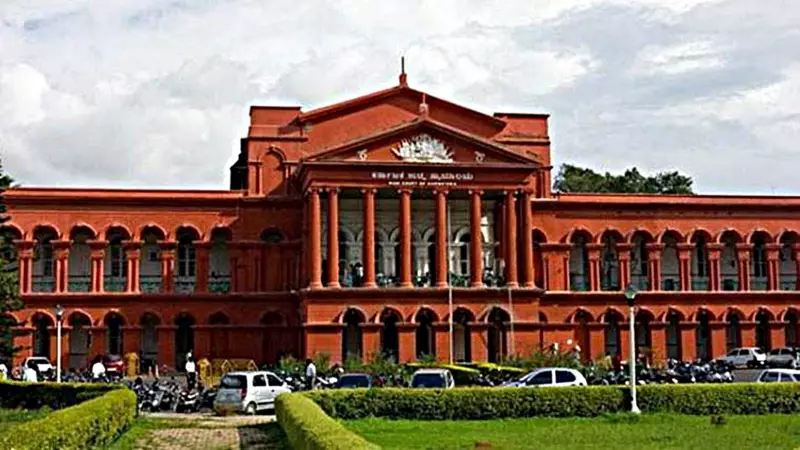
The Karnataka High Court has strongly dismissed a private complaint filed against the Kshethra Dharmasthala Rural Development Project. Justice M I Arun described the case as a clear attempt to harass the petitioners.
Court Finds Complaint Lacking Substance
Justice Arun quashed the complaint registered by Ranjan Rao Yerdoor. The court found the allegations completely baseless. Yerdoor had accused the trust and its trustees of illegal money lending activities.
The judge stated clearly that the complaint was frivolous and vexatious. He emphasized it was filed with the sole intention of harassing the petitioners through legal process abuse.

Background of the Legal Battle
The complaint originally went before a magistrate's court. Yerdoor alleged that the trust was lending money at higher interest rates than permitted by law. He wanted prosecution under multiple acts including the Karnataka Money Lenders Act of 1961.
However, the trial court rejected his complaint on two grounds. First, Yerdoor was not a borrower himself, so he lacked standing to file the case. Second, the court found no prima facie case established against the trust.
Yerdoor then approached the sessions court with a revision petition. The sessions court surprisingly allowed his petition. It set aside the trial court's order and sent the matter back for fresh consideration.
This decision prompted the trust to approach the High Court for relief.
Trust's Defense and Court's Observations
The petitioners argued that their institution is a well-known public charitable organization. They facilitate loans for individuals and self-help groups following government and RBI policies. The trust maintained it has committed no illegal activities.
They further alleged that Yerdoor is a meddlesome interloper. He has been unnecessarily harassing their philanthropic work through multiple false complaints.
The High Court bench carefully examined the evidence. It noted that the complainant failed to produce any specific documents showing illegal transactions. The only allegation was that the trust lends money and collects it back.
"A mere allegation to that effect does not require a magistrate to issue process to the accused," the bench observed. "The same is required to be backed by relevant material."
Documentary Evidence Falls Short
The court specifically addressed the documents Yerdoor relied upon. These documents mentioned interest rates of 18 to 9 percent charged on a declining basis. However, the bench pointed out these were all public documents declared by the trust itself.
Yerdoor failed to show what the permissible interest rate should be under law. He also could not produce documents relating to any specific transaction violating legal provisions.
The bench concluded that the complainant merely collected publicly available documents. He then filed a complaint based on these without explaining how they established criminal activity.
Final Ruling Protects Charitable Work
Allowing the trust's petition, the High Court delivered a strong message. It stated this was clearly a case of harassing petitioners involved in charitable activities. The court's decision protects the trust from what it deemed unnecessary legal harassment.
This ruling reinforces the need for substantial evidence in private complaints. It also safeguards genuine philanthropic organizations from frivolous litigation that could hinder their social work.