

Kashmir Authorities Launch Profiling of Religious Sites After Terror Module Bust
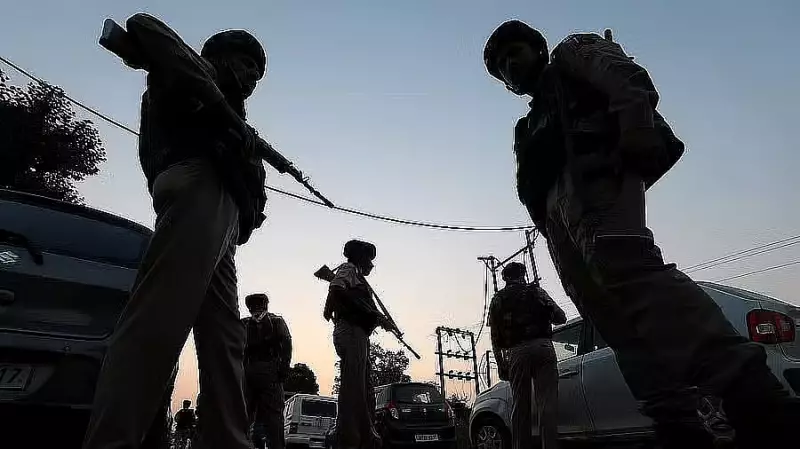
Security officials in Kashmir have started a detailed profiling operation targeting mosques and madrassas across the region. This action follows the recent bust of a sophisticated 'white collar' terror module that authorities uncovered in the valley.
Focus on 'White Collar' Terror Network
Investigators revealed that the dismantled module involved educated professionals who used their positions to support terror activities. The bust exposed a network that operated under the guise of legitimate professions, prompting authorities to widen their security sweep.
Officials explained that the profiling aims to identify any potential links between religious institutions and extremist elements. They are examining records, activities, and affiliations of these sites to prevent future radicalisation efforts.

Concerns About Radicalisation Trends
Security analysts point to the growing influence of puritanical Islam as a significant factor in youth radicalisation. This strict interpretation of Islam rejects the Sufi traditions that have long been practiced by many Kashmiri Muslims.
The shift toward more rigid religious practices has created an environment where extremist ideologies can take root, according to officials monitoring the situation. They note that this trend represents a departure from Kashmir's historical religious diversity.
Security Measures and Community Impact
The profiling operation involves multiple security agencies working together to assess religious institutions. Authorities are collecting data on:
- Leadership and management structures
- Educational curricula and teaching materials
- Financial sources and funding patterns
- Visitor records and activity logs
Local community leaders have expressed mixed reactions to the security measures. Some welcome the increased vigilance, while others worry about potential profiling of innocent religious practitioners.
"We must balance security needs with respect for religious freedom," one official stated privately. "Our goal is to identify genuine threats without disrupting peaceful worship."
Historical Context and Current Challenges
Kashmir has experienced periodic security operations for decades, but the 'white collar' aspect of this latest terror module represents a new challenge. Educated individuals using professional cover for extremist activities complicate traditional detection methods.
Security forces now face the dual task of monitoring both conventional threats and these more sophisticated networks. The profiling initiative reflects this expanded security approach in response to evolving terror tactics.
The operation continues as authorities gather intelligence and assess potential risks. Officials emphasize that their actions target specific security concerns rather than religious practice in general.






