Kashmir Sealed and Protests Erupt Over Killing of Iran's Supreme Leader
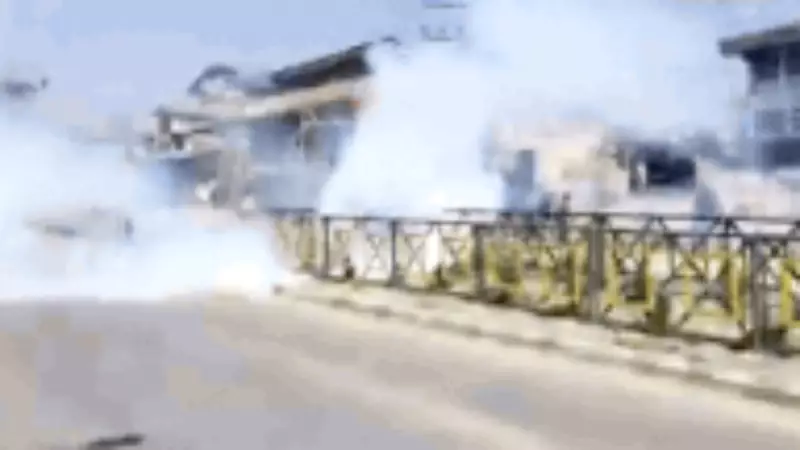
In a dramatic escalation of tensions, police in Kashmir used tear gas shells on Monday to disperse large crowds protesting against the killing of Iran's Supreme Leader, Ayatollah Ali Khamenei. The demonstrations erupted as authorities imposed sweeping restrictions across all districts of the region, citing precautionary measures to maintain law and order.
Precautionary Measures and Internet Curbs
Officials confirmed that mobile internet services were deliberately slowed throughout Kashmir, a move aimed at preventing the spread of misinformation and controlling unrest. The restrictions were implemented following Khamenei's death in an airstrike in Tehran on Saturday, which was reportedly part of a joint US-Israel operation targeting Iran. This incident has heightened global anxieties, with the Ministry of Home Affairs alerting states across India as Middle East tensions soar.
Widespread Demonstrations and Police Response
The valley, home to an estimated 15 lakh Shias, witnessed significant protests on Sunday in multiple areas, including:

- Lal Chowk
- Saida Kadal
- Budgam
- Bandipora
- Anantnag
- Pulwama
Lal Chowk, the city centre, emerged as the epicentre of the unrest, with thousands gathering to mourn Khamenei's killing. By Sunday evening, authorities had sealed off the area, erecting barricades and using tin sheets to block access. Police deployed concertina wires along various routes leading to the square, effectively restricting movement in and around the vicinity.
Broader Regional and International Context
The protests in Kashmir occur against a backdrop of escalating conflicts in the Middle East. Iranian state media has claimed that a US fighter jet was downed in Kuwait, while explosions were reported in Bahrain, Dubai, and Doha. Additionally, Israel has bombed Hezbollah targets in Beirut, and Gulf nations have vowed to defend themselves, further intensifying the volatile situation.
As security measures tighten in Kashmir, residents face heightened surveillance and limited communication, underscoring the region's vulnerability to global geopolitical shifts. The ongoing developments highlight the intricate link between local sentiments in Kashmir and broader international tensions, with authorities remaining vigilant to prevent any spillover effects.