

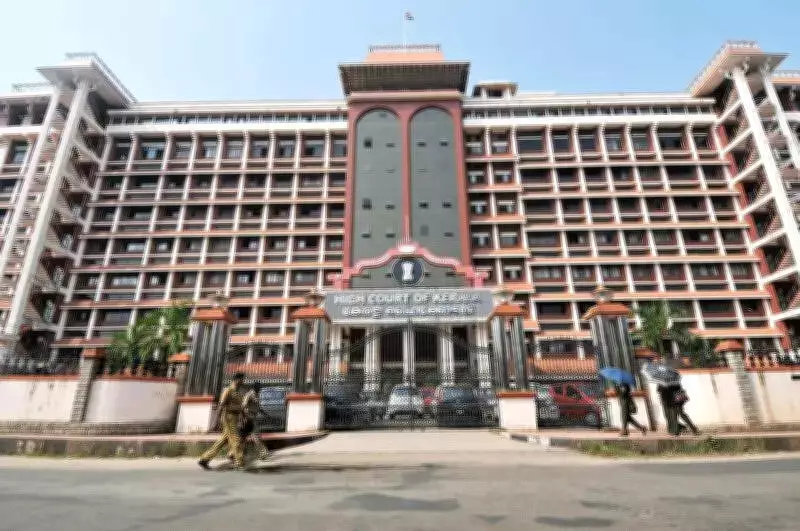
Kerala High Court Delivers Landmark Ruling on Repatriation of Mortal Remains
The Kerala High Court has issued a significant judgment clarifying that the transfer of a person's mortal remains from a foreign country to India must be determined primarily by citizenship status and applicable regulations, rather than the wishes or desires of successors or legal heirs. This ruling establishes a clear legal precedent for such sensitive international matters.
Case Background and Court Proceedings
A bench presided over by Justice Bechu Kurian Thomas delivered this important verdict on March 31, 2024, while dismissing a petition filed by Hans Joseph of Muttuchira in Kottayam district. The petitioner had sought permission for the repatriation of the mortal remains of his nephew, Joby Thomas, from the United Kingdom to India.
According to the petition, Joby Thomas had acquired United Kingdom citizenship in 2016 and had not obtained an Overseas Citizen of India (OCI) card before his death on February 6, 2024. The petitioner argued that since the deceased's mother and daughter were both alive and residing in India, the mortal remains should be brought back to the country for final rites.

Legal Challenges and Government Position
The petitioner had initially approached the Indian consulate in the United Kingdom seeking a no objection certificate (NOC) to facilitate the repatriation process. However, this request was formally refused by the consular authorities, prompting the petitioner to approach the Kerala High Court for legal intervention.
During the proceedings, an email from the deceased's second wife, who is a Filipino national, was presented before the court. This communication suggested that her late husband had expressed a desire to return and settle in Kerala at some point in the future. However, the court noted this correspondence was made after Thomas's death and therefore lacked evidentiary reliability.
Ministry of External Affairs' Stance
The Ministry of External Affairs presented a clear and firm position before the court, asserting that when a deceased individual is a foreign national, the possession and production of a valid Overseas Citizen of India (OCI) card or Person of Indian Origin (PIO) card at the time of death constitutes a mandatory requirement for repatriation of mortal remains to India.
In this specific case, the ministry noted that Joby Thomas had surrendered his Indian passport upon acquiring UK citizenship and had not obtained an OCI card, despite being eligible to apply for one during his lifetime. This crucial administrative detail formed a central part of the government's argument against repatriation.
Court's Detailed Observations and Reasoning
The High Court made several important observations in its comprehensive judgment:
- The deceased had not applied for an OCI card during his lifetime, despite being eligible to do so
- There was no substantial evidence to indicate that Thomas had, at any point, intended to retain his domicile of origin in India
- Similarly, there was no documented proof that he had expressed a clear desire to have his mortal remains brought to India after his death
- The email from his second wife was considered unreliable as it was communicated after his passing
- The petitioner himself was not a legal heir of the deceased and therefore lacked proper locus standi to maintain the petition
- The deceased's mother and daughter, who are both alive and would be considered legal heirs, had not approached the court seeking any direction regarding repatriation
Broader Implications of the Judgment
This ruling establishes important legal principles that will guide future cases involving international repatriation of mortal remains. The court has emphasized that citizenship status and compliance with official regulations take precedence over emotional appeals or family desires in such matters.
The judgment reinforces the importance of proper documentation, particularly OCI or PIO cards for non-resident Indians who wish to ensure their remains can be repatriated to India after death. It also clarifies the legal standing requirements for petitioners in such cases, emphasizing that only legal heirs with proper documentation have the right to seek such remedies through the judicial system.

This decision is expected to have significant implications for the Indian diaspora worldwide, particularly those who have acquired foreign citizenship without obtaining OCI status. It serves as a reminder of the importance of maintaining proper documentation and understanding the legal requirements for repatriation before such unfortunate circumstances arise.





