

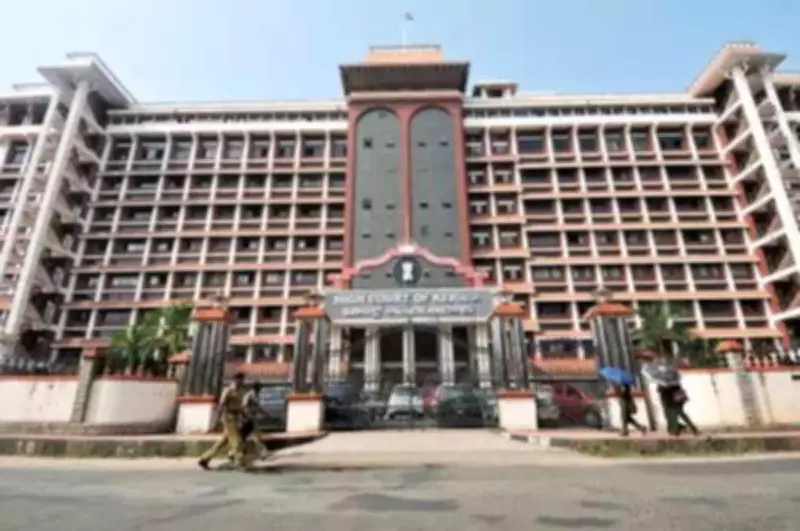
Kerala High Court Directs State Government to File Counter Affidavit in PIL Against LDF-Led Government Advertisements
The Kerala High Court, sitting in Kochi, issued a significant directive on Thursday, ordering the state government to submit a counter affidavit within ten days. This order comes in response to Public Interest Litigations (PILs) that challenge a series of government advertisements published in print media. The petitioners allege these advertisements improperly glorify the rule of the Left Democratic Front (LDF)-led government, utilizing public funds for what they claim is political promotion.
Court's Observations and Proceedings
A division bench comprising Chief Justice Soumen Sen and Justice V M Syam Kumar presided over the hearing. During the proceedings, the bench made oral observations indicating that there was no prima facie case established at this stage. Furthermore, the court emphasized the need to determine the maintainability of the PILs themselves before delving into the substantive issues.
The court declined to grant the interim relief sought by the petitioners, which aimed to restrain government officials from issuing such advertisements pending the final outcome of the case. Consequently, the bench adjourned the PILs for further consideration after seventeen days, allowing time for the government's response.

Details of the Petitions and Petitioners
The PILs were filed by Muhammed Shiyaz, the District Congress Committee (DCC) president of Ernakulam, and Sharon D Panackal, a former member of the Ernakulam district panchayat. Their legal challenge centers on allegations that the LDF-led government's advertising practices violate established legal precedents and ethical standards.
Legal Grounds and Allegations
The petitioners contend that the government's actions breach the Supreme Court's ruling in the landmark case of Common Cause vs Union of India. This ruling mandates strict political neutrality in government advertisements and explicitly prohibits content that projects a negative impression of opposition parties. According to the petitioners, the advertisements in question fail to adhere to these principles, thereby misusing public resources for partisan gain.
Specifically, the petitioners have challenged a jacket advertisement featured on the front pages of leading daily newspapers. This advertisement allegedly accused the previous United Democratic Front (UDF)-led government of various issues, including load shedding, financial losses in the Kerala State Road Transport Corporation (KSRTC), and threats of school closures. The petitioners argue that such content is politically charged and violates the Supreme Court's guidelines.
Relief Sought by the Petitioners
In their petitions, the individuals have requested several forms of relief from the court:
- A directive requiring concerned officials and authorities, particularly those in the Information and Public Relations Department (I&PRD), to reimburse the state treasury for the entire cost incurred in publishing the impugned advertisements.
- A detailed investigation into the alleged misappropriation of public funds for these advertisements, proposing the constitution of a special investigation team to examine the matter thoroughly.
The petitioners emphasize that their goal is to ensure accountability and prevent the misuse of public funds for political purposes, upholding the integrity of government advertising as mandated by the Supreme Court.
Broader Implications and Next Steps
This case highlights ongoing concerns about the intersection of government advertising and political neutrality in India. The Kerala High Court's directive for a counter affidavit sets the stage for a detailed legal examination of these issues. The government's response, due within ten days, will be crucial in shaping the court's subsequent decisions and potentially influencing advertising practices across state administrations.
As the proceedings continue, stakeholders from political, legal, and public spheres will closely monitor the outcomes, which could have significant implications for governance, public expenditure, and electoral ethics in Kerala and beyond.






