

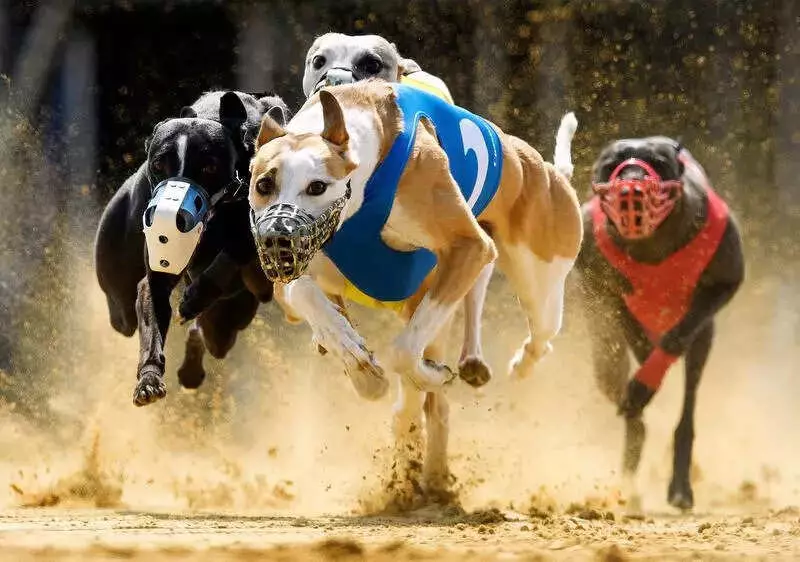
Police in Kolhapur have successfully intervened to stop an illegal greyhound racing event scheduled for early January 2026. The action came swiftly after People for the Ethical Treatment of Animals (PETA) India filed a formal complaint regarding a promotional poster for the race.
Police Issue Notice to Prevent Unlawful Event
The Peth Vadgaon police took decisive legal steps to prevent the planned dog race at Sahara Chowk in the Market Yard area. On January 4, 2026, the organisers received an official notice under section 168 of the Bharatiya Nagarik Suraksha Sanhita (BNSS). This provision is designed to stop unlawful assemblies and activities before they occur.
PETA India played a crucial role by alerting the authorities after a poster promoting the race began circulating. The animal rights organisation then worked closely with the Kolhapur police to ensure the event was completely shut down.

Inherent Cruelty of Dog Racing Exposed
Sreekutty Bennett, the lead emergency response coordinator at PETA India, explained why stopping such events is vital. "Forcing dogs to race is inherently cruel, as it often leads to serious injury or death," Bennett stated. She commended the Kolhapur police, specifically naming Superintendent of Police Yogesh Kumar Gupta and his team, for their prompt action to uphold animal protection laws.
Dog racing subjects animals to extreme physical and psychological harm. The practice forces dogs to run at dangerously high speeds, placing immense strain on their bodies, which frequently results in injuries or fatal exhaustion. When not racing, the animals are often kept in deplorable conditions, confined to small kennels and forced to stand in their own waste.
Legal and Welfare Framework Against Racing
In its complaint, PETA India highlighted a significant advisory from the Animal Welfare Board of India (AWBI). Dated August 4, 2025, this advisory was sent to the chief secretaries of all states and Union Territories. In it, the AWBI clearly states that greyhound or dog racing is not only cruel but also illegal under Indian law.
The fate of dogs used in such races is often tragic. Animals that underperform or lose races face abandonment, severe abuse, or even being killed. The entire industry prioritises gambling profits over the basic welfare of living creatures, leading to widespread injury, exhaustion, and lasting psychological trauma for the dogs involved.
The successful prevention of this event in Kolhapur sets a strong precedent for law enforcement across India. It demonstrates effective collaboration between animal welfare groups and police to proactively enforce bans on cruel spectacles and protect vulnerable animals from exploitation.






