Kolkata Police Transfers Second Officer in Jadavpur Station Harassment Scandal
In a significant development, the Kolkata Police has removed a sub-inspector from his duties at Jadavpur Police Station, marking the second officer to be transferred in connection with an alleged harassment case involving a female civic volunteer. This action follows the earlier transfer of the officer-in-charge (OC) of the same station, as the Lalbazar top brass intensifies its crackdown on misconduct within the force.
Details of the Incident and Allegations
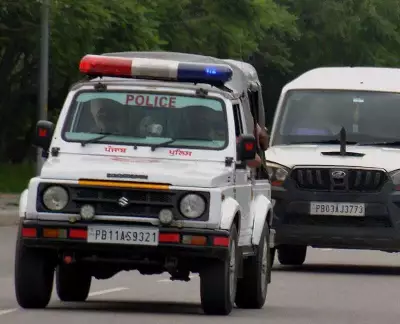
The incident reportedly occurred outside the Jadavpur Police Station complex in the last week of February. According to sources, the female civic volunteer was forcibly made to enter a police vehicle under the pretext of a night round. Senior officers then allegedly pressured her to consume alcohol, which she refused, leading to subsequent harassment. The sub-inspector in question was present at the scene during this episode and is accused of attempting to cover up the matter and dissuade the victim from filing an official complaint.
Internal Investigation and Transfers
Joint Commissioner (Headquarters) Miraj Khalid has transferred the sub-inspector to the reserve force, while the main accused, the OC, was previously moved to the Security Control Organisation (SCO). A departmental investigation has been initiated against the OC, and a third police officer is now under scrutiny. Senior officers at Lalbazar have stated that everyone named in the complaint filed by the survivor will be questioned and examined by the Internal Complaints Committee of Kolkata Police to ensure a thorough probe.
Broader Implications and Police Response
This case highlights ongoing concerns about police conduct and accountability in Kolkata. The swift transfers and internal investigations signal a firm response from the police leadership to address such allegations. The civic volunteer detailed the incident to her seniors, emphasizing the need for transparency and justice. As the investigation progresses, it underscores the importance of robust mechanisms to handle complaints and protect volunteers serving in civic roles.