Madras High Court Issues Landmark Directive on Caste in Temple Invitations
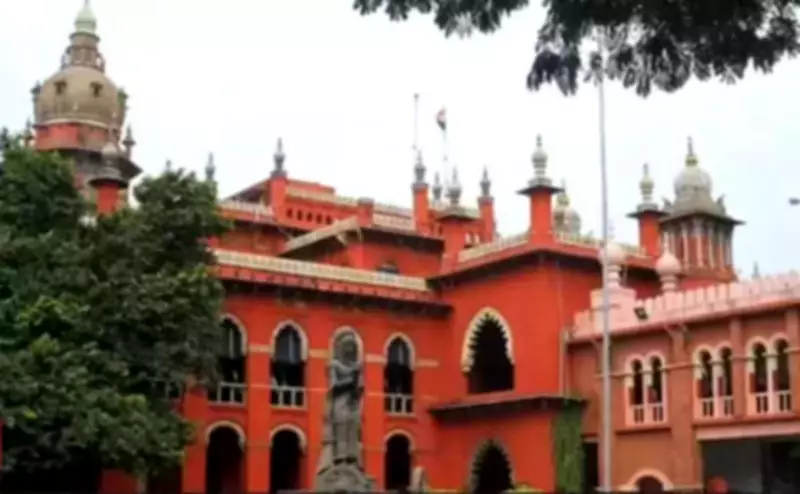
In a significant ruling emphasizing constitutional equality, the Madras High Court has directed the Hindu Religious and Charitable Endowments (HR & CE) department to ensure that caste names are not printed in invitations for temple festivals, particularly when listing donors. The court invoked the timeless wisdom of Tamil poet-saint Thiruvalluvar to underscore its decision.
Court Cites Thiruvalluvar and Constitutional Values
Justice D Bharatha Chakravarthy, presiding over the case, referenced Thiruvalluvar's 972nd couplet from the Thirukkural, which states, "Pirappokkum Ellaa Uyirkkum..." (All are equal by birth). The judge elaborated on this principle, stating, "Caste is a thing that exists only in the minds of the people. The very purpose of India becoming a republic is to treat everyone equally. The endeavour of every authority in the country should only be to annihilate caste and not to perpetuate the same."
This observation came during a hearing on a petition filed by a resident of Chengalpet, who sought to restrain the authorities of Kandhasamy Thirukovil temple in Thiruporur from using caste names in invitations for the upcoming "Masi Brahmochavam 2026" festival.

Court's Directives to HR & CE Department
The court firmly stated that any festival involving the HR & CE department must not propagate caste distinctions. "If a festival in which HR & CE dept is involved is conducted in a manner so as to propagate caste and prominently to advertise or take pride in one's caste, the same cannot be permitted," the court declared.
In response to the plea, the HR & CE department submitted that the temple itself does not use caste names, but when donors ("Ubayatharars") provide their names, they include caste identifiers. Recording this submission, the court issued a clear directive: from the next festival onwards, all pamphlets must print only the names of donors without mentioning their caste.
Broader Implications for Religious Practices
This ruling highlights a critical intersection of religious traditions and modern constitutional values. The court's emphasis on eradicating caste-based distinctions in public religious events aligns with broader efforts to promote social harmony and equality. Key points from the judgment include:
- Equality Over Tradition: The court prioritizes constitutional equality over customary practices that may perpetuate caste divisions.
- Proactive Role of Authorities: The HR & CE department is mandated to actively ensure compliance, not merely passively accept donor-provided information.
- Precedent for Future Cases: This decision sets a legal precedent that could influence similar petitions across Tamil Nadu and other regions.
The court's directive is expected to impact how temple festivals are organized, encouraging a shift towards more inclusive practices that reflect India's democratic and secular ideals. By invoking Thiruvalluvar's teachings, the judgment also roots its reasoning in local cultural heritage, making it more resonant within the community.