

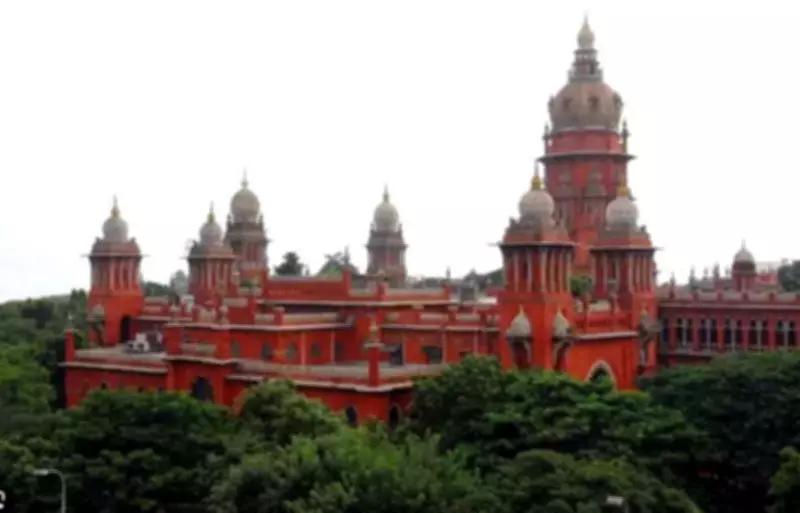
Madras High Court Overturns SHRC Compensation Order for Activist's 2018 Flight Arrest
The Madras High Court has delivered a significant verdict by setting aside an order from the Tamil Nadu State Human Rights Commission (SHRC). The SHRC had previously directed the state government to pay ₹2 lakh in compensation to activist Lois Sofia. Sofia was arrested in 2018 for allegedly shouting slogans against the Bharatiya Janata Party (BJP) while aboard an IndiGo flight traveling from Chennai to Tuticorin.
Background of the Case and SHRC's Initial Ruling
The incident occurred on a flight where former BJP state president Tamilisai Soundarajan was also a passenger. On March 2, 2022, the Tamil Nadu SHRC ordered the compensation, citing grounds that there was a discrepancy in the filing of the First Information Report (FIR). Specifically, the commission noted that a non-bailable section of the Indian Penal Code was allegedly inserted into the FIR at a later point in time, purportedly at the behest of higher officials.
The SHRC's decision was based on its interpretation that this discrepancy violated procedural norms and potentially infringed upon the activist's human rights. However, this ruling has now been quashed by the higher judicial authority.

High Court's Detailed Reasoning and Legal Analysis
A division bench comprising Justice G Jayachandran and Justice Shamim Ahmed presided over the case and provided a comprehensive legal analysis in their judgment. The bench strongly criticized the SHRC's approach, stating that "the commission has stretched its imagination beyond the facts and records placed before it and inferred that the inclusion of Section 505(1)(b) of IPC was done at the behest of the higher officials."
The court elaborated on the nature and purpose of an FIR, emphasizing that "it is well settled that an FIR is not an encyclopaedia of crime." The judges explained that the content of a complaint should primarily cite the scene of occurrence and the person alleged to have committed the crime. These facts provide prima facie material for a police officer while registering the police FIR. It is only during the subsequent investigation that further truth about the complaint comes to light, the court added, highlighting the procedural stages of criminal justice.
Court's Critique of SHRC's Overreach
Further addressing the discrepancy issue, the bench noted, "Further, the minor discrepancy, even if it is there in the documentation, is a matter for trial and for the magistrate to decide. It is not for SHRC to pre-conclude the issue." The judges accused the SHRC of ignoring its jurisdictional limits by conducting what they termed a "parallel trial."
In a firm rebuke, the court stated, "The finding rendered by the commission regarding the merits of the complaint is per se illegal," underscoring that such determinations fall outside the SHRC's mandate. This part of the judgment reinforces the separation of functions between human rights commissions and judicial bodies in legal proceedings.
Implications and Broader Context
This ruling underscores the judiciary's role in checking potential overreach by quasi-judicial bodies like the SHRC. It clarifies the boundaries within which human rights commissions should operate, particularly in matters involving criminal procedures and trial processes.
The case also brings attention to the ongoing legal and political sensitivities surrounding activist arrests and freedom of expression in India. The involvement of a political figure like Tamilisai Soundarajan adds a layer of public interest to the proceedings, though the court's focus remained strictly on legal and procedural aspects.
By quashing the compensation order, the Madras High Court has reaffirmed that issues of documentation discrepancies and trial merits should be adjudicated through proper judicial channels rather than pre-empted by commissions. This decision may set a precedent for similar cases involving the interplay between human rights oversight and criminal justice procedures in Tamil Nadu and beyond.






