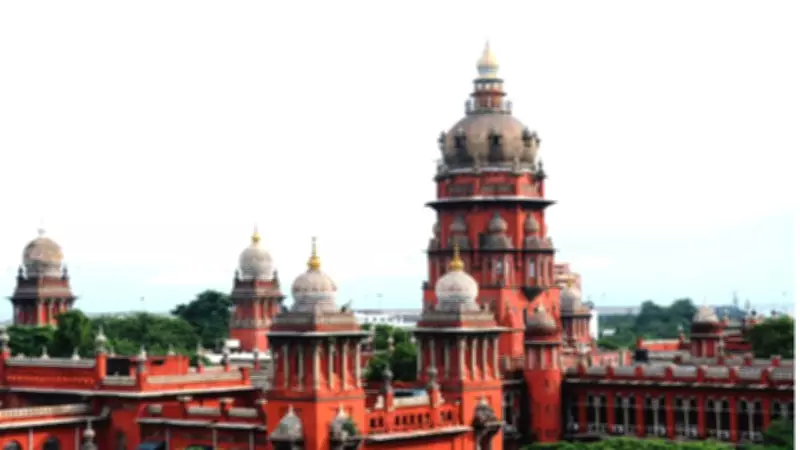
The Madras High Court on Friday remarked that paid VIP darshan at Hindu temples is wrong and discriminatory, emphasizing that such practices are not followed in churches or mosques. A vacation bench comprising Justice G R Swaminathan and Justice V Lakshminarayanan observed, "Let ministers and MLAs not think that they could walk into a temple any time and that God would be waiting for them. Why do we need VIP darshan at all? Everyone is equal before God."
Court Rejects Revenue Loss Argument
The bench rejected the submission made by the state's additional advocate-general, P V Balasubramaniam, that withdrawing paid VIP darshan would cause revenue loss to the temples. The court was hearing a public interest writ petition filed by Vishwa Hindu Parishad functionary P Chockalingam, seeking the abolition of 'VIP darshan' and 'special darshan' at temples under the control of the Hindu Religious and Charitable Endowments (HR&CE) department, except for senior citizens, disabled individuals, and constitutional authorities.
Supreme Court Precedent Cited
Chockalingam's counsel, B Jagannath, submitted that the Supreme Court, in the Banke Bihari Temple case, had directed the formation of a committee to abolish the special darshan and VIP queue system. A report from that committee was filed before the Supreme Court last week. During the previous hearing, the vacation bench had sought clarification on whether the Thirupparankundram temple authorities violated rules by keeping the temple open beyond stipulated hours to facilitate darshan for the new minister, R Nirmalkumar, and his associates.

Government Submission and Court's Observation
On Friday, the government submitted that no agama rules were violated during the minister's visit. Recording this submission, the bench observed that ministers should not think they are above the law and that deities would be waiting for them. The court then adjourned the case for six weeks for further hearing.
This ruling comes amid ongoing debates about equality in religious practices and the commercialization of temple access. The PIL highlights the need for a uniform system that respects the principle of equality before God, as upheld by the court.