

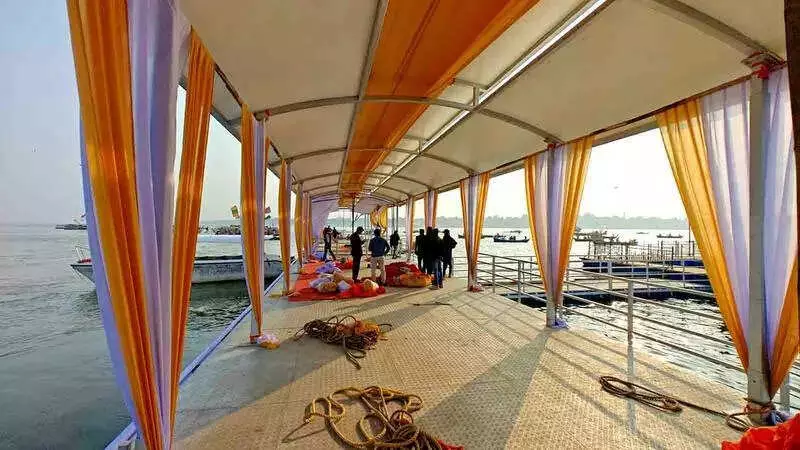
Authorities in Prayagraj are working round the clock to finalise a comprehensive management strategy for the upcoming Magh Mela, anticipating an enormous influx of devotees. With a short three-day gap between the major bathing days of Makar Sankranti on January 15 and Mauni Amavasya on January 18, the crowd arriving for the first event is likely to stay on, leading to a prolonged peak period.
Multi-Pronged Strategy for Crowd and Traffic Management
Senior police officials are concentrating on creating effective diversion plans and managing the footfall from border districts into the main mela area. A significant focus is on the seven primary routes through which pilgrims converge on Prayagraj: Jaunpur, Varanasi, Rewa, Mirzapur, Kanpur, Lucknow, and Ayodhya. Parking capacity along these arteries is being thoroughly assessed to prevent gridlock.
To ensure seamless execution, mela police officials are stressing the importance of every personnel knowing their specific role and the chain of command for any contingency. Proposals include conducting mock drills and advanced training for police to make traffic management more effective. Coordination with stakeholders in border districts, such as taxi operators, is also planned to share diversion strategies and control heavy traffic during peak hours.

Tech Integration and Infrastructure Boost
In a major step for pilgrim safety and convenience, authorities have decided to number all the bathing ghats and integrate their maps with Google Maps. The mela administration is currently in talks with Google officials to implement this. Additionally, balloons will be used to mark key locations and ghats from a distance.
ADG (Prayagraj Zone) Sanjeev Gupta has issued specific directives for the preparation of a movement plan for e-rickshaws and a separate route plan for two-wheelers. He emphasised a proper assessment of parking space capacity and instructed that parking areas be divided into sub-sectors to maximise space and facilitate devotees.
Coordinated Efforts for Smooth Pilgrimage
Officials from traffic, transport, RTO, and administrative teams are collaborating to decide on the quantity, location, and messaging of signage across the mela area. Plans for VIP movement and shuttle bus operations on designated routes have also been reviewed to prevent traffic jams. The use of smaller vehicles like minibuses alongside regular buses is being considered for more efficient shuttle services.
Furthermore, the Integrated Command and Control Centre (ICCC) has been directed to prepare a definitive list of monitoring officers and establish a clear chain of command. These meticulous preparations underscore the administration's commitment to managing the massive congregation expected at the Magh Mela, ensuring a safe and smooth experience for all devotees.






