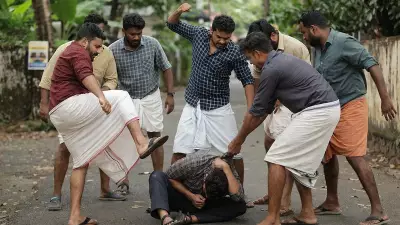
A shocking incident of violence against a migrant labourer has been reported from the coastal city of Mangaluru in Karnataka. The victim was physically assaulted by a group of individuals based on the suspicion that he was an illegal immigrant from Bangladesh.
Victim's Longstanding Ties to Mangaluru
Providing crucial details, Commissioner of Police Sudheer Kumar Reddy CH clarified that the injured man has been identified as Girija Ansari. Contrary to the attackers' assumptions, Ansari is not a new or illegal arrival. The police commissioner revealed that Ansari has been coming to Mangaluru for work for an extended period.
He has been working in Mangaluru for the past 10 to 15 years, visiting the city regularly for employment. His pattern involves staying in Mangaluru for four to six months every year, indicating a well-established connection to the city's labour force and local economy.

Details of the Assault and Police Response
The assault, which occurred based on unfounded suspicion, highlights a growing concern regarding the targeting of migrant workers. The attackers allegedly assumed Ansari was a Bangladeshi national without any verification. The police have registered a case and are investigating the motives and identities of the perpetrators involved in the violent attack.
This incident raises serious questions about communal harmony and the safety of migrant labourers who contribute significantly to the urban infrastructure and economy. Mangaluru police are taking the matter seriously, given its potential to inflame tensions and disrupt law and order.
Broader Implications for Migrant Communities
The attack on Girija Ansari is not an isolated event but part of a disturbing pattern where migrant workers are often viewed with suspicion and subjected to violence. Such incidents create an atmosphere of fear among labour communities who travel far from their homes in search of livelihood.
Local authorities are now tasked with not only ensuring justice for the victim but also sending a strong message against vigilantism and xenophobia. The case underscores the need for greater public awareness and sensitivity towards internal migrant populations, who are integral to India's urban development story.
The investigation continues as of the latest update on 12 January 2026. The community and civil society groups are calling for swift action to prevent such targeted attacks in the future.