Minneapolis Streets Alight as Anti-ICE Protests Defy Federal Authority
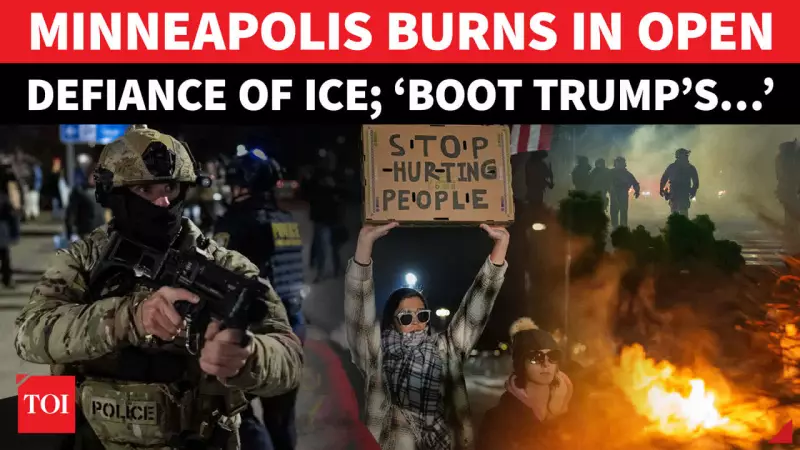
Minneapolis has erupted into a fiery confrontation once again. Nighttime protests against Immigration and Customs Enforcement turned the city streets into a scene of defiance. Demonstrators gathered outside a federal building, lighting bonfires that cast an orange glow across the night sky. Their chants echoed loudly against ICE, daring authorities to respond directly to their demands.
Recent Shootings Fuel Public Anger
The unrest follows two recent ICE-related shootings that have intensified public distrust. One of these incidents proved fatal, adding a raw edge to the community's grief and anger. This tragedy has galvanized protesters, who see the events as symbols of broader systemic issues. Their actions on the streets reflect a deep-seated frustration with federal enforcement practices.
Law enforcement officers worked repeatedly to extinguish the bonfires lit by protesters. Each time they put out the flames, demonstrators quickly relit them moments later. This back-and-forth created a tense standoff that lasted through the night. The persistence of the protesters highlighted their determination to keep the issue in the public eye.

Leadership and Legal Battles Escalate
Minnesota's leadership is actively pushing back against the federal actions, adding a political dimension to the street protests. Legal action is moving forward in courtrooms, where the clash between federal enforcement and local resistance is now being fought with legal briefs and arguments. This dual-front battle raises urgent questions about power dynamics and accountability in governance.
The situation underscores critical issues surrounding civil rights and the limits of federal authority. As protests spill from city streets into judicial arenas, the community grapples with how to balance security with individual freedoms. The ongoing events in Minneapolis serve as a stark reminder of the tensions that can arise when enforcement actions collide with public sentiment.
Observers note that the protests are not just about immediate incidents but reflect broader national debates. The fiery demonstrations challenge the very structure of federal power, prompting discussions on reform and transparency. With each relit bonfire, the message grows clearer: the demand for change is burning brightly in Minneapolis.