

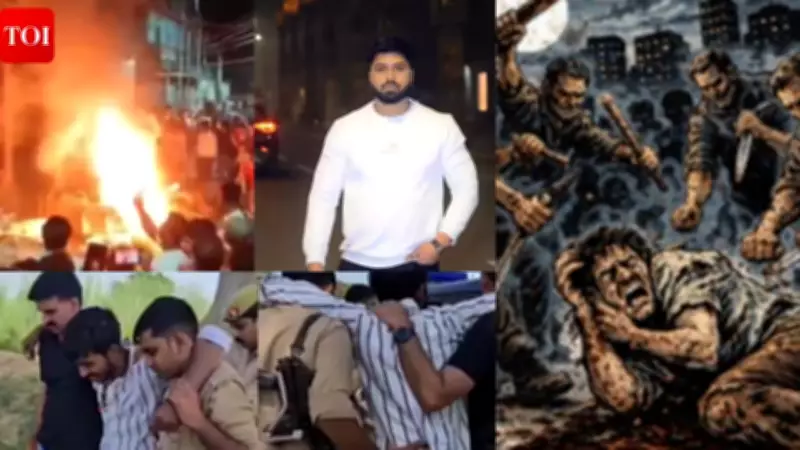
Mob Violence in India: A Persistent Threat Fueled by Rumors and Social Tensions
Mob violence, frequently ignited by rumors, suspicion, and deep-seated social tensions, remains a severe danger to public safety and social harmony across India. Despite increasing awareness, media coverage, and repeated cautions from authorities, such incidents persist in various regions. They expose not merely isolated aggressive acts but a profound issue anchored in mistrust, misinformation, and the swift dissemination of unverified claims, particularly via social media platforms.
What renders mob lynching especially alarming is its sudden and unpredictable character. Ordinary scenarios can rapidly escalate into deadly confrontations within minutes, often lacking any clear planning or intent. This unpredictability complicates prevention efforts and makes control challenging once violence erupts. Recent events illustrate a troubling pattern.
Recent Incidents Highlighting Minor Triggers Leading to Fatal Violence
Several recent cases from diverse parts of the nation underscore how minor triggers can spiral into lethal violence.

Holi Clash Turns Fatal in Delhi
In Delhi's Uttam Nagar, a Holi celebration turned tragic when a minor dispute escalated into violence. A 26-year-old man, Tarun Kumar, lost his life after being assaulted by a group following an argument that originated from a water balloon incident.
UP Lynching Case Linked to Rumors
Police arrested Deepak Agrahari, the primary accused in the brutal lynching of Hariom Valmiki in Uttar Pradesh's Rae Bareli. Hariom Valmiki became a victim of mob violence driven by rumors. Villagers suspected him of theft and, without verifying any facts, attacked him. The situation intensified as more individuals gathered, each influenced by the actions of others. This mob mentality often diminishes personal responsibility, making people more prone to participate in violence they might otherwise avoid.
Rajasthan Man Killed Over Theft Suspicion
A similar incident in Rajasthan's Chittorgarh district further reflects this hazardous trend. A 35-year-old man, Sanjesh Kanjar, along with his relatives, was assaulted by villagers who suspected them of theft while they were returning from a hunting trip. The attack resulted in his death and left others severely injured. Here again, suspicion—devoid of proof—was sufficient to trigger collective violence.
Assam Death Sparks Lynching Allegations
In Assam's Tamulpur district, the death of a young man following a road accident has raised concerns about potential mob involvement. While the exact cause remains unclear, the situation demonstrates how swiftly crowds can assemble and react aggressively during moments of confusion, panic, or emotional intensity.
Rumor-Driven Mob Attacks Rise in Madhya Pradesh
Meanwhile, in Madhya Pradesh, a series of incidents linked to rumors about child-lifting have led to attacks on innocent individuals. Social media played a pivotal role in spreading false information, causing fear and panic among communities. In one case, a woman who had been reported missing was mistaken for a criminal and targeted by a mob. These cases reveal how misinformation can transform fear into violence within a very brief period.
A Shift in the Nature of Violence
Recent trends indicate a transformation in how collective violence manifests in society. While large-scale communal riots have become less frequent, smaller, localized mob attacks are increasing. Unlike riots, which often involve organized groups and broader conflicts, these incidents are typically spontaneous. They are triggered by immediate situations—rumors, misunderstandings, or personal disputes—and can occur anywhere, from villages to urban neighborhoods.
This shift renders mob violence more unpredictable and widespread. It is no longer confined to specific regions or contexts but has evolved into a broader social issue.
Common Triggers Behind Mob Violence
Understanding the causes behind such incidents is essential to addressing the problem.

- Misinformation and rumors: One of the most significant factors is the rapid spread of false information. Messages shared on social media platforms, often without verification, can create panic and suspicion. Once fear takes hold, people may act impulsively, leading to tragic outcomes.
- Suspicion of crime: Allegations such as theft or child abduction frequently act as triggers. In many cases, these suspicions are baseless, but the lack of immediate clarification allows rumors to grow and intensify.
- Identity-based bias: In some instances, victims are targeted because they are perceived as outsiders or belong to a different caste, religion, or community. Such biases, combined with existing social divisions, can make certain groups more vulnerable to violence.
- Mob psychology and peer influence: When individuals become part of a crowd, their sense of personal responsibility often diminishes. The presence of others engaging in aggressive behavior can encourage more people to join in, creating a chain reaction that escalates quickly.
- Distrust in systems: A lack of trust in authorities or formal processes can also contribute to mob behavior. Instead of seeking help or allowing proper investigation, people may take matters into their own hands, believing it to be quicker or more effective.
Impact on Society
The consequences of mob violence extend far beyond the immediate loss of life or injury. Such incidents foster an atmosphere of fear and insecurity, especially among vulnerable communities, including minorities and migrants. People may begin to feel unsafe even in everyday situations, affecting their ability to live and work freely.
Mob violence also weakens the social fabric by deepening divisions and reducing trust between communities. When violence becomes normalized as a response to suspicion or conflict, it sets a dangerous precedent for future behavior. Over time, repeated incidents can erode public confidence in safety and order, making it harder to build cohesive and peaceful communities.
The Way Forward
Preventing mob violence necessitates a proactive and collective approach. Raising public awareness is crucial, particularly about the dangers of spreading and acting on unverified information. Encouraging responsible use of social media can help mitigate the impact of rumors.
Community engagement and dialogue are equally important. Building trust among different groups can reduce suspicion and promote understanding. Quick and effective response mechanisms can also aid in controlling situations before they escalate.
Education also plays a key role. Teaching critical thinking and promoting values such as empathy, patience, and respect for others can help individuals make better decisions in tense situations.
Conclusion
Mob violence is not merely a series of isolated incidents—it is a reflection of deeper social challenges. Recent cases across India demonstrate that while the form of violence may be changing, the underlying causes remain deeply rooted.
Addressing this issue requires more than short-term responses. It calls for sustained efforts to build awareness, strengthen trust, and promote peaceful ways of resolving conflict. Without such measures, the risk of normalizing mob violence persists—a reality that no society can afford to accept.





