MP Village Panchayat's Controversial Decree Against Love Marriages Sparks Constitutional Debate
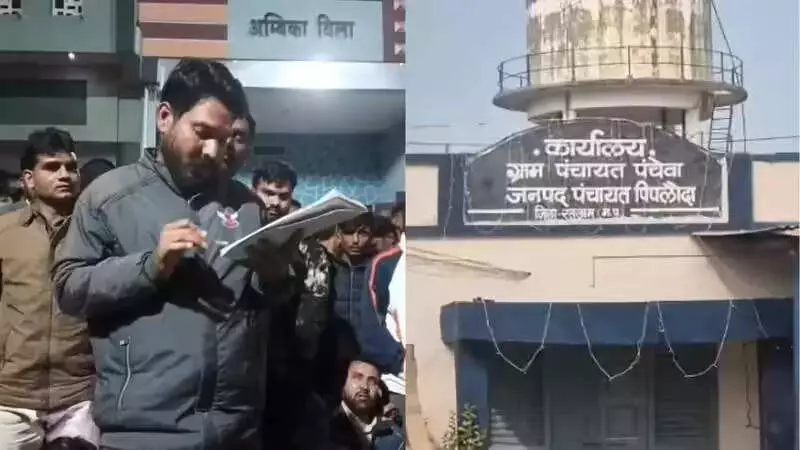
In a move that has ignited widespread controversy and legal scrutiny, the Panchewa village panchayat in Madhya Pradesh's Ratlam district issued a draconian decree on Saturday, calling for a complete social and economic boycott of families whose children opt for love marriages. The decision, described as a 'Khap-style' diktat, was reportedly prompted by eight instances of elopement recorded in the village over the past six months, which the panchayat claimed had alarmed the community.
Decree Details and Immediate Fallout
The decree, which has since gone viral through videos from the panchayat meeting, outlines stringent measures against targeted families. In the footage, a man is seen reading from a register, mandating that barbers and priests are forbidden from serving these families, villagers are barred from purchasing goods or milk from them, and their farmland cannot be leased. Furthermore, the decree stipulates that anyone assisting the couples or providing them shelter faces immediate expulsion from the village.
This 'Khap-style' order quickly sparked tension in Panchewa, leading members of the Jat community, along with the Rashtriya Jat Tejveer Sena, to approach the district collector and Superintendent of Police (SP) on Tuesday. They demanded immediate action against those responsible for issuing the decree, highlighting its unconstitutional nature.
Police Intervention and Constitutional Violations
In response to the escalating situation, SP Amit Kumar addressed the media, stating that authorities are conducting 'Jan Samvad' (public dialogue) sessions in the village. The aim is to educate residents that such diktats constitute a direct violation of fundamental rights guaranteed by the Indian Constitution, including the right to choose a life partner. Kumar emphasized that the police are taking proactive steps to ensure peace and uphold the law, with six individuals already placed under a legal bond to maintain order.
Impact on Affected Couples
Among those directly impacted by the decree is a couple who married in June 2025. Despite both families eventually accepting the union, they were publicly shamed at the panchayat meeting. The couple expressed their distress during a public hearing, stating, "We married by choice and consent, settling down peacefully into our conjugal life. However, these self-styled leaders are now harassing us with unconstitutional orders." Their case underscores the personal toll of such social boycotts, even when families have reconciled.
Broader Implications and Community Response
The incident has raised broader questions about the role of traditional panchayats in modern India and their clash with constitutional rights. While some villagers may support the decree as a means to uphold community norms, others, including activists and legal experts, condemn it as an infringement on individual freedoms. The involvement of groups like the Rashtriya Jat Tejveer Sena in protesting the decree indicates a growing pushback against such regressive practices.
As the situation unfolds, authorities continue to monitor Panchewa closely, with ongoing dialogues aimed at fostering understanding and preventing further unrest. This case serves as a stark reminder of the ongoing struggle between age-old social customs and the progressive legal framework of India.