Mumbai Bomb Threat Hoax: Gujarat Police Arrests 28-Year-Old Email Sender
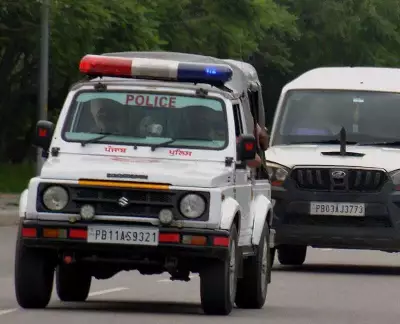
In a significant development, Gujarat Police have apprehended a 28-year-old man who was wanted for sending threatening emails about bomb blasts at key establishments in Mumbai. The arrest brings relief to authorities investigating a series of hoax threats that targeted schools, the stock exchange, and metro stations in the city.
Details of the Arrest and Investigation
The accused was arrested by the Ahmedabad cyber police on March 1, following a nationwide manhunt. Police revealed that he had been sending emails across the country, threatening bomb explosions at various installations in cities including Delhi, Punjab, Ahmedabad, and Mumbai. In the specific case handled by Dindoshi Police in Mumbai, the accused sent emails on February 26, warning that bombs would detonate at schools, the stock exchange, and metro stations.
Upon receiving these threats, all the mentioned premises were thoroughly checked by security personnel. Fortunately, no suspicious items or explosives were found, confirming that the threats were hoaxes. A formal case has been registered under the provisions of the Bhartiya Nyaya Sanhita, and investigations are ongoing to determine the motive behind these false alarms.
Police Probe and Custody Proceedings
Dindoshi Police, who oversee the Malad-Goregaon belt where the threats were issued, are now preparing to seek custody of the accused for further questioning. The police are still probing whether the emails were sent as a prank or if there were other underlying reasons. This step is crucial to understand the full scope of the threats and prevent similar incidents in the future.
The arrest highlights the collaborative efforts between cyber police units across states in tackling digital crimes. Authorities emphasize that such hoaxes not only cause public panic but also waste valuable resources that could be deployed for genuine emergencies.
Broader Implications and Public Safety
This incident underscores the importance of cybersecurity and vigilance in handling bomb threats, even when they turn out to be false. Police advise the public and institutions to report any suspicious communications immediately and to follow established safety protocols. The case serves as a reminder of the legal consequences under Indian law for making false threats, which can lead to severe penalties.
As the investigation continues, police are also examining the accused's digital footprint to identify any potential links to other criminal activities. The outcome of this probe is expected to shed light on the methods used in such hoaxes and help in developing better preventive measures.