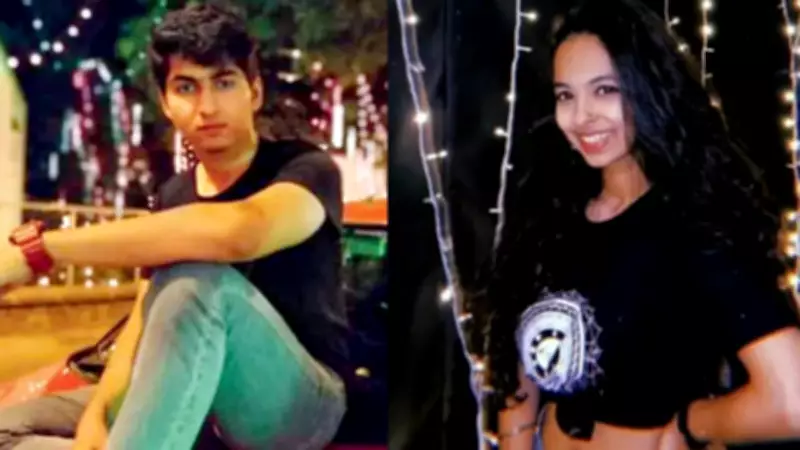
Mumbai Court Delivers Verdict in 2019 New Year's Eve Murder Case
A sessions court in Mumbai has delivered a landmark verdict in the high-profile 2019 murder case of 19-year-old Jhanvi Kukreja, convicting and sentencing Shree Jogdhankar to life imprisonment. The judgment comes more than five years after the tragic incident that occurred on New Year's Eve, marking a significant development in one of Mumbai's most closely watched criminal cases.
Acquittal of Co-Accused and Case Background
While Shree Jogdhankar faces life behind bars, the court acquitted co-accused Diya Padalkar, who had also faced murder charges alongside Jogdhankar. Both individuals were in their twenties at the time of the incident, with Padalkar being Jhanvi Kukreja's childhood friend and neighbor from Santacruz.
The case centered around events that unfolded during a year-ending party held on the terrace of Bhagwati Heights in Khar. According to prosecution submissions presented by Special Public Prosecutor Pradip Gharat, Jhanvi Kukreja was discovered dead in a pool of blood near the building's staircase around 2:30 am on January 1, 2019.
Brutal Nature of the Crime and Investigation Details
The prosecution painted a grim picture of the crime, alleging that Jhanvi Kukreja was dragged down the stairs from the fifth floor following a violent altercation. The conflict reportedly erupted over Jogdhankar's intimate relationship with Padalkar, leading to the fatal assault on the psychology student.
Medical evidence revealed the extreme brutality of the attack, with Jhanvi's final post-mortem examination report documenting an astonishing 48 separate injuries on her body. This forensic detail became a crucial element in establishing the violent nature of the crime during court proceedings.
Prosecution's Evidence and Defense Arguments
The prosecution built its case on a substantial body of circumstantial evidence, examining 49 witnesses to establish a comprehensive chain of events. Key evidence included:
- CCTV footage from the building premises
- Forensic Science Laboratory (FSL) reports confirming Jhanvi Kukreja's blood on Jogdhankar's shirt
- DNA profiling that conclusively established Jogdhankar's biological presence at the crime scene
- Evidence of Padalkar's contact with blood-stained articles in the flat where she rested after the incident
Prosecutor Gharat emphasized that Jogdhankar was observed leaving the building in a dazed condition with blood stains on his torn shirt, while Padalkar allegedly sought medical treatment for a lip injury sustained during the commission of the crime.
Defense Challenges and Family's Pursuit of Justice
In his written submissions, Jogdhankar challenged the prosecution's case, arguing that it relied entirely on circumstantial evidence without any eyewitness testimony. His defense lawyer, Wahab Kahn, contended that the prosecution failed to prove a complete chain of evidence as required by law, suggesting that Jogdhankar's injuries resulted from a sudden fight that occurred in the heat of the moment.
The intervener in the case, Niddhi Kukreja (Jhanvi's mother), submitted through advocate Trivankumar Karnani that her daughter's murder was perpetrated in a brutal and barbaric manner. The family's pursuit of justice highlighted the emotional toll of the prolonged legal proceedings, with the mother emphasizing the horrific nature of the crime as revealed through forensic evidence.
Current Status of the Accused and Legal Implications
Throughout the trial, both accused maintained their innocence, pleading not guilty to the murder charges. Padalkar, who was Jhanvi's neighbor and had known her since childhood, had been out on bail during the proceedings, while Jogdhankar remained in jail awaiting the verdict.
The court's decision to convict Jogdhankar while acquitting Padalkar represents a nuanced application of evidentiary standards in Indian criminal jurisprudence, particularly in cases relying heavily on circumstantial evidence. The verdict brings partial closure to a case that has captured public attention for over five years, while also highlighting the complexities of establishing guilt in violent crimes without direct eyewitness testimony.