Nagpur Explosives Investigation: Police Focus on Batch Numbers and Wrappers as Critical Evidence
In a significant development in the Nagpur explosives case that triggered a major security alert, police investigators are now placing heavy emphasis on the batch number from the manufacturer and the plastic wrapper used to package the gelatin sticks as crucial forensic evidence to unravel the mystery.
Recovery of Suspicious Materials
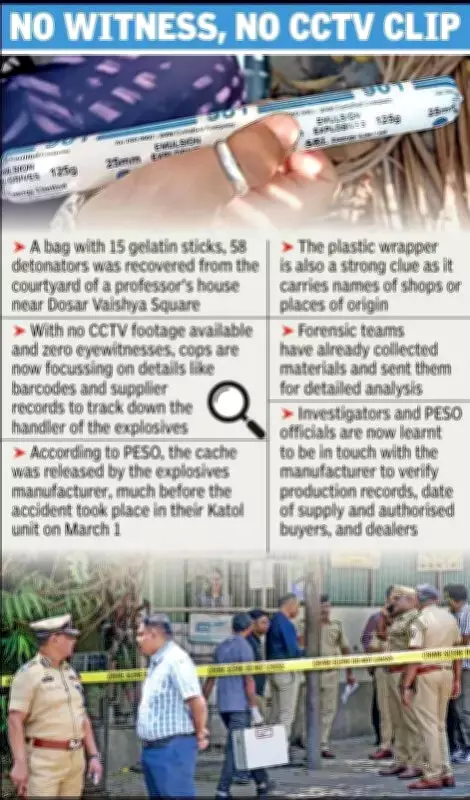
The investigation began after authorities recovered a suspicious green bag containing 15 gelatin sticks and 58 detonators from the courtyard of a professor's residence near Dosar Bhavan Chowk on Tuesday. This discovery immediately raised security concerns throughout the city and prompted an intensive police response.
Critical Forensic Evidence
With no CCTV footage available and zero eyewitnesses coming forward, police have shifted their focus to physical evidence. The batch number on the ammunition represents a particularly promising lead, as it can potentially trace the explosives back to the intermediary who received them after their release from the manufacturing unit.

A police source explained the investigative strategy: "The batch number on the ammunition will lead us to the intermediary after they were released from the manufacturing unit. The intermediary must have handed it over to some other player. We need to establish the complete chain of custody."
Manufacturing Timeline and Plastic Wrapper Analysis
According to preliminary information from the Petroleum and Explosives Safety Organisation (PESO), the cache seized on Tuesday was released by the explosives manufacturer well before the accident that occurred at their Katol unit on March 1 this year. This timeline suggests the explosives entered circulation through legitimate channels before potentially being diverted.
The plastic wrapper containing the explosives provides another strong investigative angle, as it typically carries printed details including shop names or places of origin. Police are currently cross-checking these printed details with retail outlets and wholesale dealers across the region to determine how these high-powered industrial explosives ended up in unauthorized hands.
Forensic Examination and Supply Chain Investigation
Forensic teams have already collected materials from the scene and sent them for detailed laboratory analysis. Meanwhile, investigators and PESO officials are reportedly in contact with the manufacturer to verify production records, dates of supply, and authorized buyers.
Most authorized dealers are licensed mining and quarrying firms operating in Maharashtra and neighboring states. Preliminary inquiries suggest the cache could have been diverted from legitimate blasting operations typically used in road construction, mining quarries, or well digging projects.
Security Implications and Ongoing Investigation
The presence of such explosives in a densely populated area close to sensitive landmarks has raised serious concerns about potential terror links or smuggling rackets. A police source emphasized that "this case once again highlights the vulnerability of the supply chain of commercial explosives" and the need for tighter controls.
Police remain hopeful that the physical evidence from batch numbers and wrappers will soon lead them to identify the culprits and potentially prevent a larger conspiracy. The investigation continues to gain momentum as authorities work backward through the supply chain, with further updates expected as new evidence emerges.