Nagpur High Court Directs Municipal Verification of Compensatory Tree Plantation for Orange Street Project
The Nagpur bench of the Bombay High Court issued a significant directive on Wednesday, ordering municipal authorities to conduct a thorough verification of compensatory tree plantation undertaken in relation to tree felling for the Orange Street project. This judicial intervention comes amid growing environmental concerns in the city.
Court Hearing and PIL Basis
A division bench comprising Justices Anil Kilor and Raj Wakode delivered this directive while hearing a suo motu Public Interest Litigation (PIL). The PIL was initiated based on a complaint that highlighted extensive tree cutting in the Khapri-Khamla area of Nagpur. The court has specifically asked the Nagpur Municipal Corporation (NMC) to submit a comprehensive report detailing several critical aspects of the compensatory plantation.
Specific Requirements for the NMC Report
The High Court has mandated that the municipal corporation's report must include precise data on:

- The exact number of trees planted as compensation for those felled
- How many of these compensatory trees have survived
- Whether the plantation meets all prescribed environmental norms and standards
Allegations and Environmental Concerns
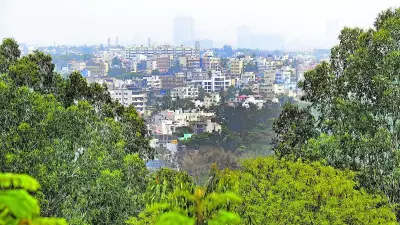
Lawyer Gnyandeep Bhongade, who brought the issue to light, alleged that several mature trees were felled near Khamla market for the proposed "London Street" component of the Orange Street project. The complaint presented to the court warned that unchecked deforestation in this densely populated area could have severe consequences, including adverse effects on the local microclimate and reduced oxygen levels for residents.
Court's Emphasis on Independent Verification
During the hearing, the bench acknowledged claims made by the project developer that compensatory plantation had already been carried out. However, the court emphasized the crucial need for independent verification of these claims. The judges directed civic officials to conduct ground-level inspections and place verified, factual data on the official record.
Broader Environmental Context
The court also noted references in the complaint to another large commercial development—specifically a mall—in the same area, indicating cumulative environmental stress. The bench underscored that urban development projects must adhere strictly to environmental safeguards, particularly when they involve the removal of established green cover that has taken years to mature.
Legal Proceedings and Participants
Legal representatives assisting the court included amicus curiae Rahul Dhande and counsel for the municipal corporation, Gemini Kasat, who both participated actively in the proceedings. The matter has been scheduled for further hearing next week, with the court expecting a factual and detailed compliance report from the municipal authorities.
The High Court's directive represents a significant step toward ensuring environmental accountability in urban development projects, particularly as cities like Nagpur balance growth with ecological preservation. This case highlights the judiciary's role in monitoring compliance with environmental norms and protecting urban green spaces from unchecked development pressures.