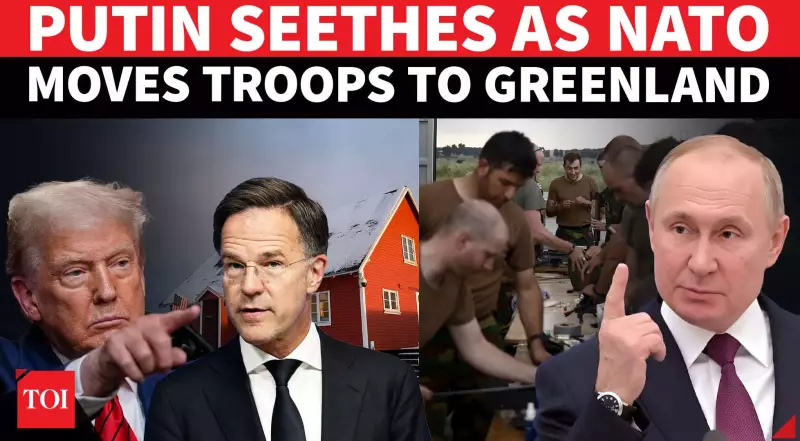
Greenland is emerging as a critical geopolitical hotspot in the Arctic region. NATO member nations have started deploying troops to the island, drawing sharp criticism from Russia. Moscow accuses the Western alliance of militarizing the high north under false pretenses.
NATO Allies Confirm Military Deployments
France, Germany, Sweden, and Norway have officially confirmed sending military personnel to Nuuk, Greenland's capital. These deployments support Denmark's position in the region. The move comes as former U.S. President Donald Trump continues to emphasize Greenland's importance to American national security interests.
Trump's Warning About Foreign Threats
Trump has repeatedly warned that without American action, Russia or China might attempt to gain influence in Greenland. He argues this could compromise regional stability. However, Russian officials completely reject these claims, calling them baseless and inflammatory.

Russia Denounces NATO Expansion
Russian authorities state that narratives about Russian or Chinese threats to Greenland are completely fabricated. They describe these stories as myths designed to create unnecessary fear and hysteria. Moscow warns that NATO's growing military presence risks destabilizing one of the world's most sensitive and environmentally fragile areas.
Strategic Importance of the Arctic
The Arctic region is gaining unprecedented strategic significance. Melting ice caps are opening new shipping routes and revealing valuable resources. This transformation is turning remote territories like Greenland into focal points for global power competition.
Military alliances are experiencing new strains as troops mobilize across the Arctic. Diplomatic rhetoric continues to harden on all sides. The situation demonstrates how quickly geopolitical tensions can escalate in previously peaceful regions.
Greenland's strategic position makes it invaluable for monitoring northern approaches and controlling emerging trade corridors. Nations recognize that whoever establishes strong presence there gains significant advantages in future Arctic affairs.
The current deployments represent just the beginning of what could become prolonged military positioning. All involved parties must navigate delicate diplomatic balances while protecting their national interests in this rapidly changing environment.