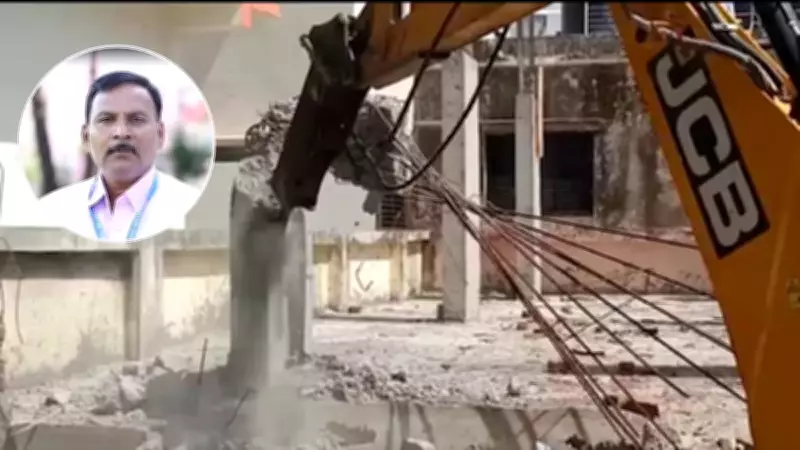
In a fresh development in the NEET paper leak case, the civic body in Maharashtra's Beed district has demolished unauthorised portions of a building linked to the accused. The action was taken after authorities identified that parts of the structure were constructed without proper approvals.
Civic Body's Stance on Future Permissions
The chief officer of the civic body stated, "If an application for building permission is submitted in future, the existing status of the site will be physically verified, and permission will be granted only if it complies with the rules." This statement underscores the municipality's commitment to enforcing building regulations strictly.
Background of the Case
The NEET paper leak, which came to light earlier this year, involved the illegal dissemination of exam papers. Several accused were arrested, and investigations revealed that some of them owned or used properties that had been built or modified without authorisation. The demolition in Beed is part of a broader crackdown on such illegal constructions.

Local residents expressed mixed reactions. Some supported the action, viewing it as a necessary step to uphold the law, while others questioned the timing, suggesting it might be an attempt to divert attention from the main investigation.
Authorities have assured that the demolition was carried out following due legal process. The accused, whose identity has not been disclosed, faces multiple charges under the Indian Penal Code and the Prevention of Corruption Act.
The NEET paper leak case has raised serious questions about the security of high-stakes examinations in India. The Central Bureau of Investigation (CBI) is currently probing the matter, and several states have tightened their examination procedures to prevent similar incidents.
Meanwhile, the civic body's chief officer reiterated that the demolition was not an isolated action but part of a sustained effort to ensure all buildings in the city comply with safety and legal standards. "We will not tolerate any violation of building norms," he added.