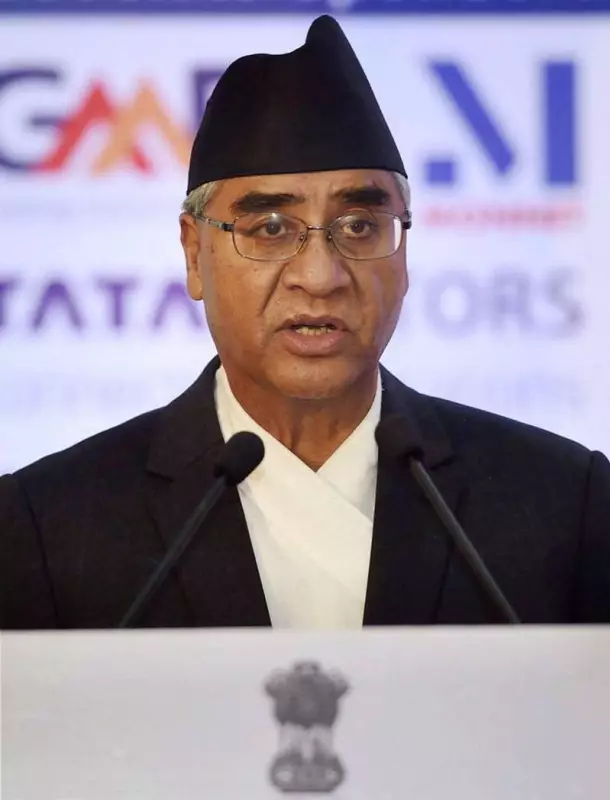
Nepal Congress Faction Takes Legal Action in Supreme Court
The Deuba-led faction of the Nepal Congress party has moved the Supreme Court of Nepal. They filed a petition challenging the Election Commission's recent decision. The commission recognized the rival faction led by Khum Bahadur Thapa.
Background of the Political Dispute
This legal move follows a deepening split within the Nepal Congress. The party has faced internal conflicts over leadership and direction. The Election Commission stepped in to resolve the issue. It granted recognition to the Thapa faction as the legitimate group.
The Deuba faction strongly disagrees with this decision. They argue it lacks legal basis and fairness. Supporters of Sher Bahadur Deuba believe their group represents the true party. They claim the commission's action undermines democratic processes within the party.

Details of the Supreme Court Petition
The petition filed in the Supreme Court seeks immediate intervention. It requests the court to overturn the Election Commission's recognition. The Deuba faction wants the court to declare their group as the official Nepal Congress.
Legal experts note this case could set a precedent. It involves interpreting party constitution and election laws. The Supreme Court's decision will impact Nepal's political landscape. Many observers are watching closely as the case unfolds.
Reactions and Implications
Members of the Thapa faction have expressed confidence. They believe the Election Commission acted correctly. They argue their recognition follows proper procedures and party rules.
Political analysts suggest this dispute reflects broader tensions in Nepali politics. The Nepal Congress is a major political force in the country. Its internal stability affects national governance and policy-making.
The Supreme Court is expected to hear the petition soon. Both factions are preparing their legal arguments. The outcome could influence upcoming elections and party alliances.
This development adds to ongoing political challenges in Nepal. It highlights the importance of legal frameworks in resolving party disputes. The case demonstrates how courts can play a crucial role in political processes.