Nepal's Political Campaigns Officially Launch for March 5 General Elections
Political parties across Nepal officially commenced their election campaigns on Monday, marking the beginning of a crucial period leading up to the March 5 general elections. This significant development follows the expiration of restrictions imposed by the Election Commission, which ended on Sunday night, allowing candidates to fully engage with voters through various traditional and public methods.
Campaign Activities in Full Swing
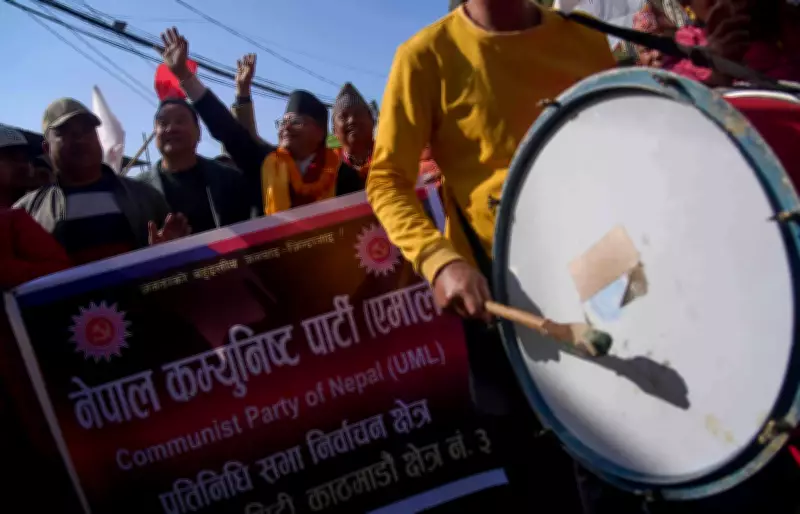
With the lifting of restrictions, candidates have immediately jumped into action, initiating a wide range of campaign activities designed to connect with the electorate. These include intensive door-to-door visits, where politicians meet voters personally to discuss issues and seek support. Additionally, public meetings and large-scale rallies are being organized across the country, creating a vibrant and competitive political atmosphere.
The Election Commission has formally designated the period from February 16 to March 2 as the official window for all formal campaign activities. During this time, political parties and candidates are permitted to conduct public meetings, rallies, processions, corner meetings, and use loudspeakers to amplify their messages. This structured timeline ensures that campaigning is conducted in an organized manner, minimizing disruptions and maintaining public order.

Strict Campaign Deadline and Electoral Details
All types of campaigning must come to a complete halt from midnight on March 2, precisely 48 hours before the general election is scheduled to begin. This mandatory cooling-off period is designed to allow voters time for reflection without the influence of last-minute political messaging, thereby promoting a fair and thoughtful voting process.
The upcoming election features a substantial electorate, with a total of 18,903,689 eligible voters registered to participate. This figure includes 915,119 newly registered voters, reflecting a notable increase compared to the last parliamentary election held in 2022. The growth in voter registration highlights heightened public interest and engagement in the democratic process.
Parliamentary Structure and Voting Systems
The Lower House of Parliament in Nepal consists of 275 lawmakers, with a dual voting system determining their election. Specifically, 165 members are elected through the first-past-the-post (FPTP) system, which involves direct voting in individual constituencies. The remaining 110 lawmakers are elected through a proportionate voting system, ensuring broader representation based on party performance across the nation.
This mixed electoral framework aims to balance local representation with proportional fairness, making the campaign strategies of political parties particularly complex and multifaceted as they target both constituency-specific and nationwide support.