Nepali Congress Factional Dispute Spills Onto Streets
Factional fighting within Nepal's main opposition party, the Nepali Congress, has taken a dramatic turn. The dispute has now moved from internal party halls to the public streets. This escalation follows a key decision by Nepal's Election Commission.
Election Commission's Recognition Sparks Controversy
The Election Commission of Nepal recently made an official announcement. It formally recognised Gagan Thapa as the legitimate leader of the Nepali Congress party. This decision did not sit well with rival factions within the party. Supporters of the opposing group immediately voiced their strong objections.
They claim the Election Commission overstepped its authority. Party members argue that internal leadership matters should remain within the party's own democratic processes. The commission's intervention, they say, sets a dangerous precedent for political interference.

Street Protests Erupt Across Nepal
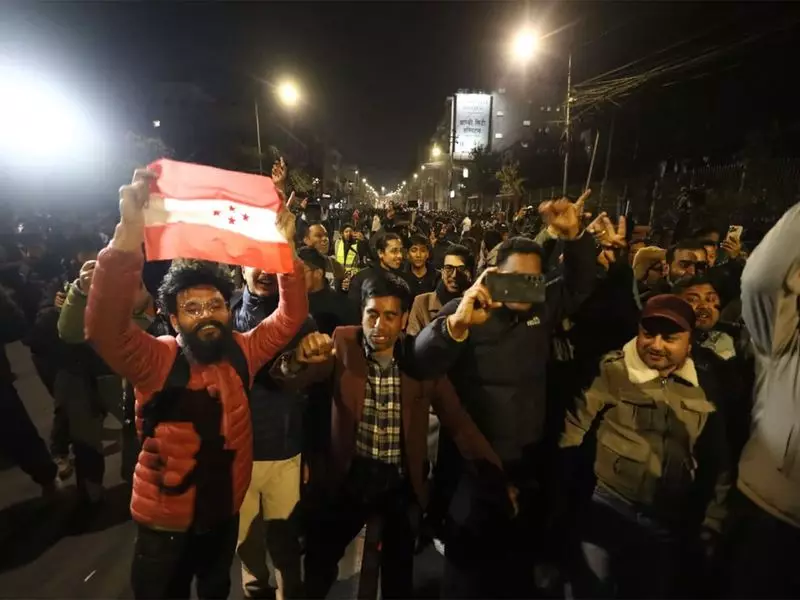
Angry party workers and supporters took their grievances to the streets. Protests erupted in several locations across Nepal. Demonstrators carried placards and shouted slogans against the Election Commission's decision.
The protests remained largely peaceful but created significant disruptions in urban areas. Traffic came to a standstill in some neighbourhoods. Police presence increased to maintain public order and prevent any potential violence.
Protest organizers issued clear demands. They want the Election Commission to reverse its recognition of Gagan Thapa. They also seek guarantees against future external interference in party matters.
Background of the Leadership Struggle
The Nepali Congress has experienced internal divisions for several months. Two main factions have emerged within the party. One group supports Gagan Thapa, a younger leader representing progressive voices. The other faction backs more traditional leadership figures.
This power struggle reflects deeper ideological differences within Nepal's oldest democratic party. The dispute touches on questions of party reform, generational change, and political direction. Both sides claim to represent the true spirit and legacy of the Nepali Congress.
Political Implications for Nepal
Political analysts express concern about the timing of this conflict. Nepal faces important challenges including economic recovery and constitutional implementation. A divided opposition party could weaken democratic checks and balances in the country.
The Election Commission maintains it acted according to legal provisions. Commission officials state they followed established procedures in recognising party leadership. They emphasize their role as an independent constitutional body.
Meanwhile, ordinary citizens express frustration with the political drama. Many Nepalis worry that internal party fights distract from pressing national issues. They hope for a quick resolution that allows politicians to focus on governance.
The coming days will prove crucial for Nepal's political stability. All eyes remain on whether the Nepali Congress can resolve its internal differences. The party's ability to unite may determine its effectiveness in upcoming political battles.