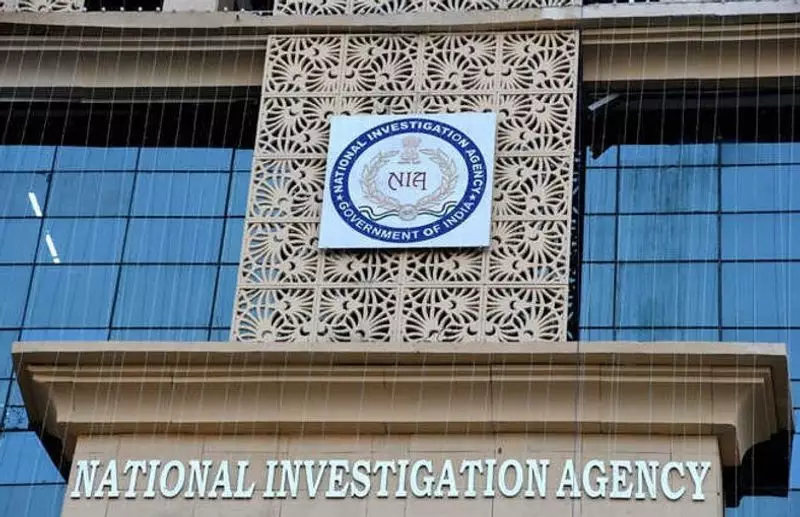
NIA Files Chargesheet Against Five Accused in Gujarat AQIS Online Radicalisation Case
The National Investigation Agency (NIA) has taken a significant step in its fight against digital extremism. The agency filed a chargesheet against five individuals accused in a Gujarat case. This case involves online radicalisation activities linked to Al-Qaeda in the Indian Subcontinent (AQIS).
Details of the Chargesheet
The NIA submitted the chargesheet in a special court in Gujarat. It names five accused persons. They face charges under various sections of the Indian Penal Code and the Unlawful Activities (Prevention) Act. The charges relate to their alleged involvement in online radicalisation efforts.
According to the NIA, the accused used digital platforms to spread extremist ideologies. They targeted vulnerable individuals in Gujarat. The goal was to recruit them for AQIS activities. The agency uncovered this network during a thorough investigation.

Background of the Case
The case originated from intelligence inputs about online radicalisation in Gujarat. The NIA registered the case earlier this year. It conducted raids and gathered evidence across multiple locations. The investigation revealed a coordinated effort to radicalise youth through social media and messaging apps.
AQIS, an affiliate of Al-Qaeda, has been active in the region. The group uses online methods to propagate its ideology. This case underscores the growing threat of digital extremism in India. Authorities are increasingly focusing on such cyber-enabled crimes.
Implications and Next Steps
The filing of the chargesheet marks a crucial phase in the legal process. It allows the court to proceed with the trial. The NIA has presented digital evidence, including communications and financial transactions. This evidence aims to prove the accused's roles in the radicalisation network.
Legal experts note that this case could set a precedent. It highlights the challenges of combating online extremism. The NIA's action demonstrates a proactive approach. The agency is working to dismantle such networks before they can cause harm.
Public reaction has been supportive of the NIA's efforts. Many see this as a necessary move to ensure national security. The case also raises awareness about the dangers of online radicalisation. Parents and educators are urged to monitor digital activities closely.
Conclusion
The NIA's chargesheet against five accused in the Gujarat AQIS case is a significant development. It reflects ongoing efforts to address the threat of online radicalisation. As the trial progresses, it will provide further insights into the methods used by extremist groups. The outcome could influence future strategies to combat digital terrorism in India.