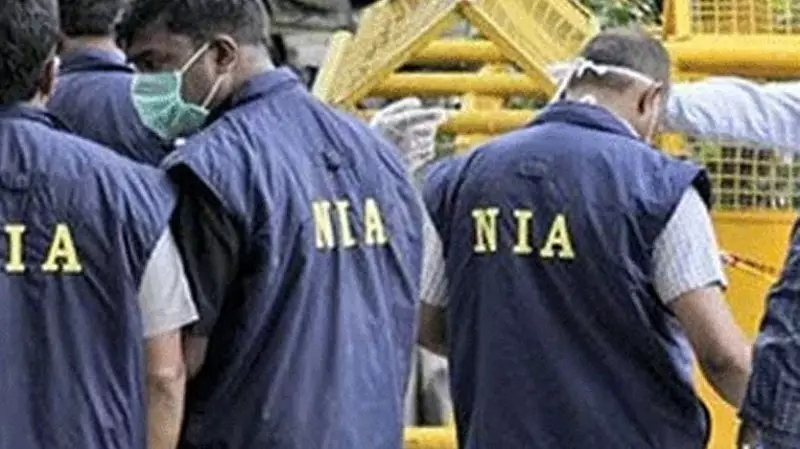
In a significant development in one of the most high-profile terror investigations in recent years, the National Investigation Agency (NIA) carried out targeted raids in the Shopian district of Jammu and Kashmir. This operation is a crucial part of the ongoing probe into the deadly bomb blast at Delhi's historic Red Fort, an attack that security agencies have attributed to a sophisticated "white-collar terror module."
Unraveling the Sophisticated Terror Network
The raids, conducted on January 2, 2026, mark a pivotal step forward in the investigation. According to officials, the operation aimed to gather further evidence and establish the chain of command behind the attack. During the course of the raid, the NIA brought at least one of the accused to the site, a move often employed to verify statements and reconstruct the sequence of events linked to the terror module's activities.
Security sources have described the group behind the Red Fort attack as a highly organized and educated cell, moving beyond traditional methods. The term "white-collar terror module" suggests the involvement of individuals who may use professional expertise, financial networks, or technological knowledge to plan and execute attacks, making them particularly challenging to detect.
A Deep Dive into the Deadly Attack
The blast at the Red Fort, a symbol of national sovereignty and a major tourist landmark, sent shockwaves across the country. It is considered one of the deadliest attacks in the national capital in recent memory. The investigation, led by the NIA, has been piecing together digital footprints, financial trails, and human intelligence to dismantle the entire network responsible.
The focus on Shopian indicates the agency's efforts to trace the origins of the plot and the support structures in the region. Bringing the accused to the raid locations is a tactical step to corroborate hideouts, communication methods, and the procurement of materials used in the attack.
Implications and the Path Forward
This operation underscores the evolving nature of security threats in India, where terror outfits are increasingly adopting complex, layered structures. The NIA's actions highlight a determined approach to not only apprehend those directly involved but also to expose and neutralize the intellectual and logistical backbone of such modules.
The probe remains active and wide-ranging. The agency is expected to follow leads emerging from the Shopian raids, which could potentially lead to more arrests and a clearer understanding of the module's pan-India or international linkages. The priority is to ensure that every individual associated with the planning and execution of this heinous act is brought to justice.