

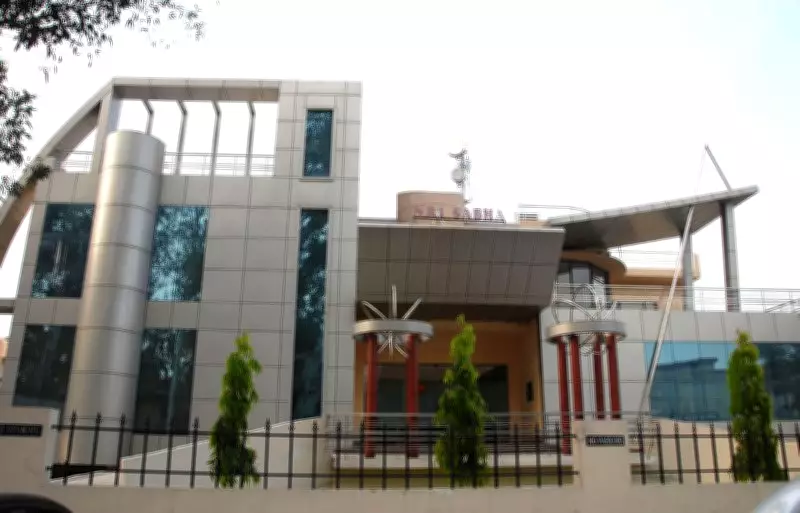
NRI Sabha Elections in Jalandhar Face Significant Delay, Legal Petition Filed
The elections for the NRI Sabha in Jalandhar have been delayed by more than two months, leading to a civil writ petition being filed in the Punjab and Haryana High Court. The previous president, Parvinder Kaur Banga, completed her two-year tenure, but authorities have yet to initiate the electoral process to select a new incumbent.
Legal Action Taken by Jalandhar Resident
Jalandhar-based Karan Randhawa has filed a fresh petition in the High Court, alleging that despite assurances from the Jalandhar Divisional Commissioner-cum-NRI Sabha Chairman's office, no concrete steps have been taken to hold the elections. In a previous petition, the court dismissed the case as infructuous on December 23 last year after the authorities claimed the election process had been initiated, with a schedule submitted for approval by the Chief Minister, who serves as the Chief Patron of the NRI Sabha.
An internal communication dated November 24 last year was presented as evidence of this initiation. However, Randhawa's new petition argues that no statutory actions, such as preparing electoral rolls, publishing voter lists, issuing election notifications, or declaring a schedule, have been undertaken. He emphasizes that the election process must involve public steps, not just internal administrative correspondence.

Constitutional Mandate and Past Precedents
The constitution of the NRI Sabha mandates that elections for the president be held every two years, with Clause 7(d) placing a duty on the Chairman to ensure compliance. Randhawa contends that past delays, such as those between 2015-2020 and 2022-2024, cannot justify continued violations. He asserts that illegality cannot be perpetuated based on past illegality, highlighting the need for adherence to the constitutionally-mandated timeframe.
Impact on NRI Community
With approximately 25,000 Non-Resident Indians (NRIs) as members of the sabha, the delay disrupts the usual election cycle, which typically occurs in January. Even if the process begins now, procedural requirements mean the election cannot be held for at least another two months, further extending the leadership vacuum. This situation has raised concerns about governance and representation for the NRI community in Jalandhar.
The authorities have cited previous instances of election delays as a defense, but Randhawa's petition stresses the importance of timely democratic processes to uphold the rights of members. The case underscores ongoing challenges in ensuring efficient electoral management for diaspora organizations.






