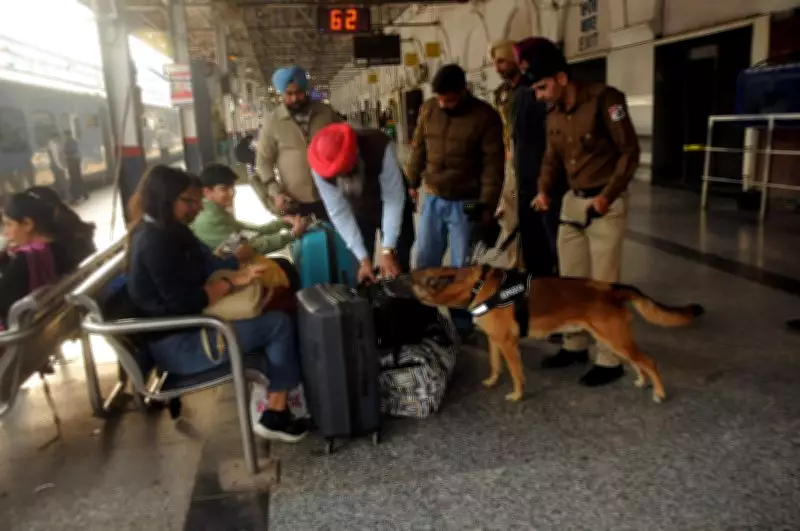
Operation Prahar Delivers a Clear Message, But Experts Call for Systemic Overhaul
In a significant crackdown on criminal activities, Amritsar authorities have launched Operation Prahar, a targeted initiative aimed at curbing lawlessness and enhancing public safety. This operation has already yielded notable results, with multiple arrests and seizures reported across the city. However, while the immediate impact is being hailed as a success, law enforcement experts and community leaders are urging that this effort must be complemented by systemic changes to ensure long-term effectiveness.
Immediate Actions and Short-Term Gains
The operation, which involves coordinated raids and increased police presence in high-risk areas, has sent a strong message to criminal elements operating in Amritsar. Authorities have focused on hotspots known for illegal activities, leading to a visible reduction in incidents such as theft, drug trafficking, and violent crimes. Key achievements include the confiscation of illicit substances and weapons, as well as the detention of individuals with prior criminal records.
Residents have reported a sense of improved security in their neighborhoods, with many expressing relief at the heightened vigilance. "The police action has made us feel safer, especially at night," shared a local shopkeeper from a previously troubled area. This positive feedback underscores the operation's role in restoring public confidence and deterring immediate threats.

The Need for Deeper Systemic Reforms
Despite these short-term gains, analysts argue that operations like Prahar are merely a temporary solution unless backed by comprehensive systemic reforms. Issues such as inadequate infrastructure, limited resources, and procedural bottlenecks in the justice system often hinder sustained progress. For instance, delays in court proceedings and rehabilitation programs can allow criminal networks to regroup quickly.
Experts emphasize that a holistic approach is necessary, involving:
- Enhanced training for law enforcement personnel to handle complex cases.
- Community policing initiatives to build trust and gather intelligence.
- Judicial reforms to expedite trials and ensure timely justice.
- Socio-economic programs aimed at addressing root causes like unemployment and poverty.
Without these measures, the impact of operations like Prahar may diminish over time, as underlying systemic weaknesses remain unaddressed.
Long-Term Strategies for Sustainable Safety
To achieve lasting change, authorities are being advised to integrate Operation Prahar with broader policy frameworks. This includes leveraging technology for better surveillance, improving coordination between different agencies, and fostering public-private partnerships to fund and support crime prevention efforts. Additionally, regular audits and evaluations of such operations can help identify gaps and refine strategies.
Community engagement is also seen as a critical component. By involving local residents in safety committees and awareness campaigns, authorities can create a more resilient and proactive environment. "Systemic change requires collective effort," noted a social activist involved in urban safety projects. "It's not just about police action; it's about building a society where crime finds no foothold."
In conclusion, while Operation Prahar has effectively communicated a zero-tolerance stance towards crime in Amritsar, its long-term success hinges on the implementation of systemic reforms. By combining immediate enforcement with strategic overhauls, the city can move towards a safer and more secure future for all its inhabitants.