

Pakistan Implements Emergency Measures to Tackle Looming Energy Shortage
In a decisive move to address fears of a severe energy shortage, Pakistan has announced temporary school closures and a shift to online classes for universities. This emergency action, part of a broader austerity plan, aims to conserve fuel as global oil prices surge due to escalating tensions in the Middle East.
Government Announces Austerity Plan to Manage Fuel Consumption
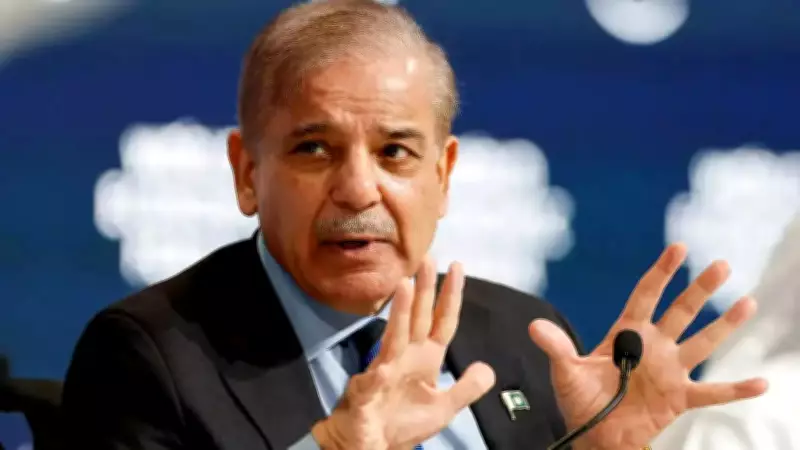
Prime Minister Shehbaz Sharif revealed the decision following an emergency federal cabinet meeting in Islamabad. The measures highlight how international geopolitical conflicts can directly disrupt education systems, affecting millions of students across the country. Reuters reported that the government is implementing these steps to stabilize fuel supplies and prevent a deeper crisis.
Details of the Educational Shifts and Broader Measures
Under the plan, schools across Pakistan will remain closed for two weeks starting March 16, while colleges and universities have been instructed to transition to online classes. This move is designed to reduce daily commuting and electricity usage on campuses, thereby cutting fuel consumption significantly.

In addition to educational changes, the government has introduced several other austerity steps:
- Government offices will operate on a four-day workweek.
- Approximately 50% of employees will work from home where feasible.
- Fuel allocations to government departments have been reduced by 50% over the next two months.
- Many government vehicles have been withdrawn from roads, except for essential services.
Ministries have also been directed to cut operational costs and limit non-essential movement as part of a larger strategy to manage Pakistan's fuel reserves.
Impact on Students and Broader Implications
For students, this announcement means a temporary disruption to academic routines. While school campuses are closed, universities and colleges are expected to continue instruction through digital learning platforms. However, this abrupt shift could pose challenges for students in areas with limited internet access and digital technologies, raising concerns about educational continuity and schedule adherence.
Officials emphasize that these steps are necessary to stabilize supplies amid volatile global oil markets, driven by conflicts involving Iran, Israel, and the United States. These tensions threaten to disrupt global oil supplies and shipping routes, pushing fuel prices higher for energy-importing nations like Pakistan.
This situation serves as a stark example of how international crises, such as geopolitical conflicts and energy shortages, can have immediate and far-reaching effects on education systems and institutions, even those geographically distant from the conflict zones.






