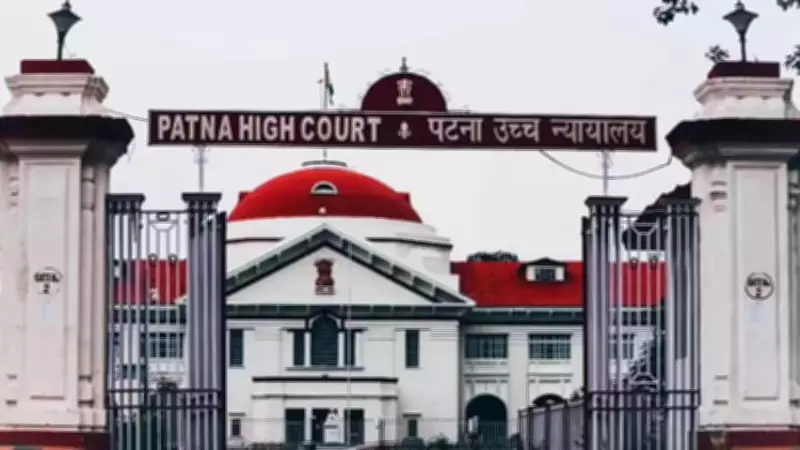
Patna High Court Grants Regular Bail in PM Modi Slander Case
The Patna High Court has granted regular bail to an individual accused of raising objectionable and abusive slogans against Prime Minister Narendra Modi and his deceased mother. This incident occurred following a Grand Alliance rally in August of last year, marking a significant development in a case that has drawn public attention.
Court Proceedings and Bail Order
A single bench of Justice Arun Kumar Jha allowed the bail plea of Md Rizvi, also known as Raja, on Wednesday. The order was made public on Thursday, providing details of the court's decision. Rizvi had been in judicial custody as an undertrial prisoner since his arrest on August 29 last year.
The case originated from a viral video that surfaced after the dispersal of an opposition rally. The video allegedly showed Rizvi using objectionable language against the Prime Minister and his late mother. In response, an FIR was lodged against him at the Simri police station on August 28 last year.

Defense Arguments and Evidence
During the proceedings, Rizvi's counsel submitted that no objectionable material was recovered from his mobile phone, which had been seized by the police. This point was emphasized in the defense's argument for bail, highlighting the lack of concrete evidence linking him directly to the alleged slogans.
The court considered these submissions along with other factors before granting bail. The decision underscores the judicial process's role in balancing allegations with evidentiary standards, especially in cases involving high-profile figures.
Background and Implications
This case is part of a broader context of political tensions in India, where incidents involving public figures often lead to legal actions. The Grand Alliance rally, which preceded the alleged incident, was a significant political event, and the subsequent fallout has been closely watched by legal and political observers.
The bail grant may influence future cases involving similar allegations, setting a precedent for how courts handle matters of free speech versus defamation in the political arena. It also raises questions about the evidentiary requirements in such sensitive cases.
As the legal process continues, this development marks a pivotal moment for Rizvi and the ongoing discourse around political expression and accountability in India.