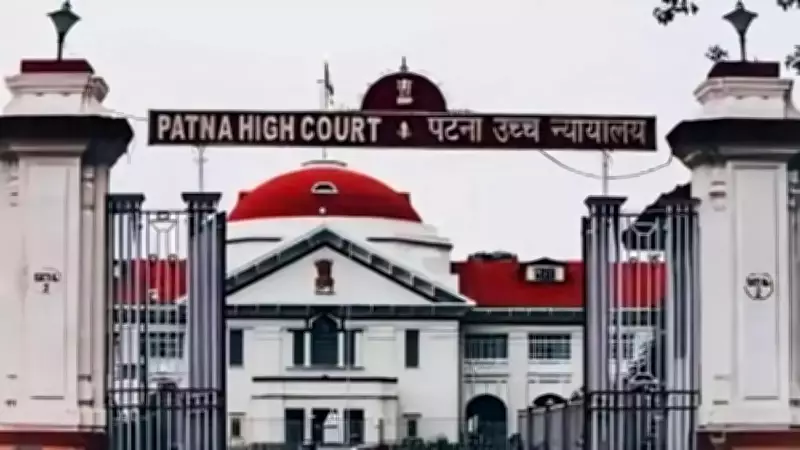
Patna High Court Chief Justice Launches Legal Awareness Initiative for Unorganised Sector Workers
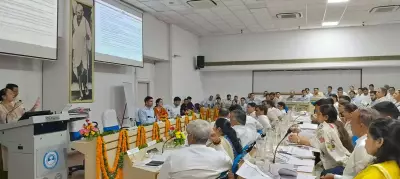
In a significant move to empower vulnerable labourers, Chief Justice of the Patna High Court, Sangam Kumar Sahoo, inaugurated a comprehensive legal awareness programme in Patna on Sunday. This initiative specifically targets workers in the unorganised sector, with a special focus on migrant labourers hailing from Bihar.
High-Level Inauguration and Support
The inauguration ceremony was attended by key dignitaries, including Justice Rajeev Ranjan Prasad, a sitting judge of the Patna High Court, and Deepak Anand, Secretary of the State's Labour Resources and Migrant Workers Welfare Department. Their presence underscored the collaborative effort between the judiciary and state administration to address the legal needs of these workers.
Programme Objectives and Implementation
This programme is part of the National Legal Services Authority (NALSA) 2015 schemes and has been launched by the Bihar Legal Services Authority (BALSA) upon the direct orders of Chief Justice Sahoo. The primary goal is to make workers, especially migrant labourers from Bihar, aware of the social security and welfare schemes introduced by both the state and central governments. This will be achieved through the deployment of legal volunteers who will provide guidance and support.

Financial Assistance to Families
During the event, Chief Justice Sahoo handed over bank cheques containing assistance and insurance amounts of up to Rs 2 lakh to several dependents of registered migrant workers from Bihar. These workers tragically lost their lives due to accidents or extreme cold conditions in states like Punjab and others. This gesture highlights the programme's commitment to providing tangible support beyond mere awareness.
Key Attendees and Broader Impact
The occasion was graced by prominent figures, including BALSA's Member Secretary, various judicial officers, the District Judge and Magistrate of Patna, and Ramakant Sharma, Chairman of the Bihar State Bar Council. Their participation signifies a unified approach to enhancing legal literacy and protection for unorganised sector workers, aiming to bridge the gap between government schemes and those in need.