Patna High Court Dismisses Eight-Year-Old Criminal Proceedings Against Bihar Minister
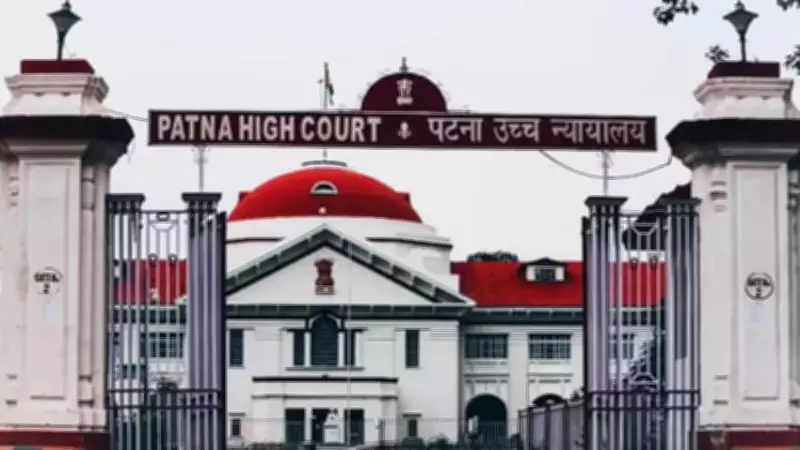
In a significant legal development, the Patna High Court on Tuesday quashed an eight-year-old criminal case filed against Santosh Kumar Suman, the Minor Water Resources Minister of Bihar. The case, which dates back to April 2017, has been dismissed by a single bench of Justice Sandeep Kumar, bringing a long-standing legal battle to a close.
Background of the Case and FIR Details
The origins of this case trace back to an FIR lodged at the Bodh Gaya police station (case no. 199/2017) in April 2017. The allegations against Minister Suman included forming an unlawful assembly, blocking roads, creating public nuisance, assaulting individuals, and obstructing public officers from performing their duties. These charges stemmed from an incident that occurred during a political address, which the defense argued was a routine public engagement.
Legal Arguments and Court Proceedings
During the court proceedings, advocates Dinu Kumar and Vardaan Mangalam, representing Suman, presented a compelling case. They contended that a mere reading of the FIR revealed no substantive grounds for a criminal case. The defense emphasized that their client was merely delivering a political speech to the public, and the FIR, with its numerous penal sections, was a classic example of a mala fide case intended to harass an innocent citizen.

In contrast, prosecutor Jharakhandi Upadhyay, representing the state government, opposed the plea to quash the FIR, arguing for the continuation of the proceedings. However, the court found merit in the submissions made by the petitioner's counsels, leading to the dismissal of the case.
Court's Ruling and Implications
Justice Sandeep Kumar, presiding over the single bench, ordered the quashing of the entire criminal proceedings that originated from the Bodh Gaya police station case. This ruling underscores the judiciary's role in scrutinizing cases for their legal validity and preventing the misuse of legal processes for harassment. The decision is seen as a vindication for Minister Suman, who has maintained his innocence throughout the eight-year ordeal.
This case highlights the importance of due process and the need for FIRs to be based on concrete evidence rather than potential ulterior motives. It also reflects on the broader legal landscape in Bihar, where political figures often face legal challenges that can impact their public service and reputation.